


Maintaining a balanced lifestyle in our fast-paced digital world requires more than just willpower and occasional relaxation. We no longer live in an era where we must guess why we feel exhausted or why our focus seems to vanish during a busy workday.
Modern wearable technology has moved from bulky wristbands to sleek, high-performance smart rings that monitor your biological signals with incredible precision.
These tiny devices utilize advanced sensors to track your heart rate variability, skin temperature, and sleep architecture to build a real-time map of your internal stress levels. By wearing a smart ring, you effectively gain a 24-hour health coach that alerts you to the early signs of burnout before they manifest physically.
This technological shift allows you to move away from reactive health habits and embrace a truly proactive approach to your mental and emotional well-being. Most users find that seeing their stress data visualized in a simple app provides the clarity needed to make better daily decisions.
Understanding the nuances of your own body’s stress response ensures that you stay sharp, resilient, and fully energized for your professional and personal life.
This comprehensive guide explores the most effective smart rings currently redefining the boundaries of stress management and high-tech wellness. Embracing this discreet automation allows you to live a more organized, calm, and ultimately more successful life in the modern age.
Mastering Autonomic Nervous System Tracking
A. Analyzing Heart Rate Variability and Stress Resilience
The primary metric that a smart ring uses to manage your stress is Heart Rate Variability (HRV), which measures the millisecond-level changes between your heartbeats. A high HRV indicates that your autonomic nervous system is flexible and resilient, while a low HRV suggests that your body is trapped in a “fight or flight” response.
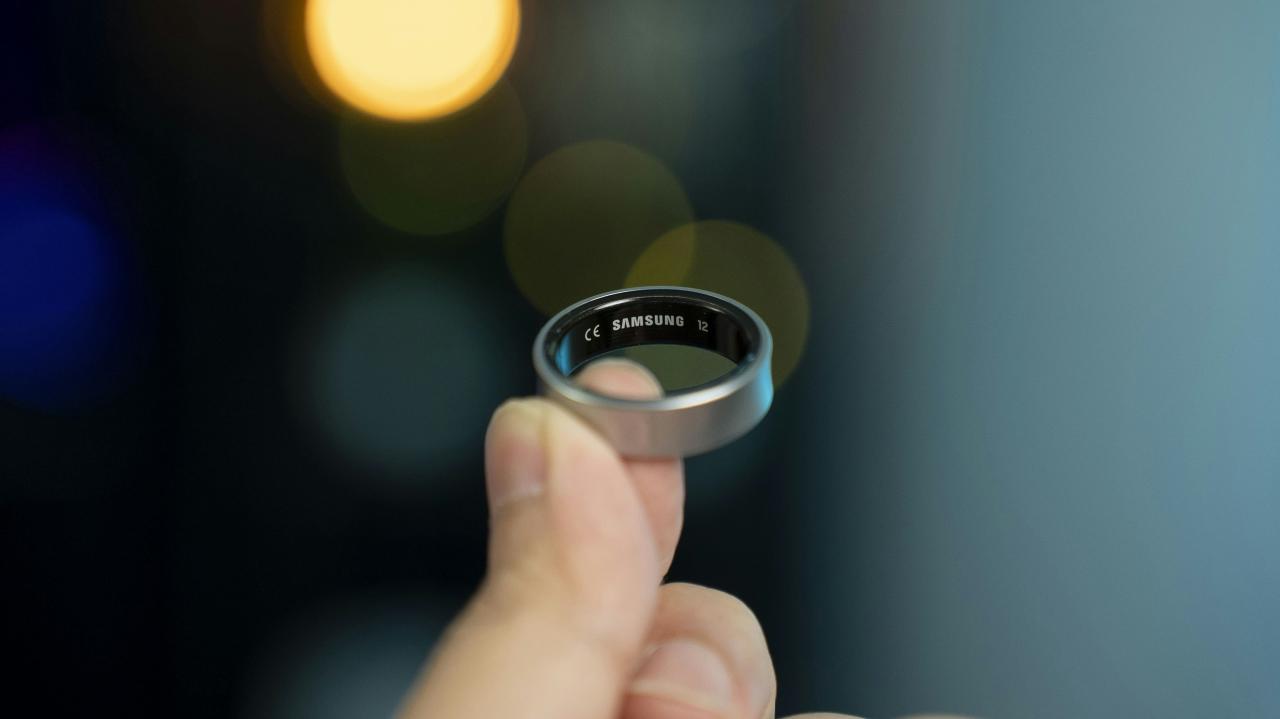
Modern rings like the Oura Ring 4 or the Samsung Galaxy Ring track these fluctuations continuously throughout the night and day.
This data allows the device to calculate a “stress score” or “readiness score” that tells you exactly how much pressure your body can handle. By monitoring your HRV trends, you can identify which specific work tasks or lifestyle habits are draining your mental battery the most.
From my perspective, many people view stress as a purely psychological problem, but your HRV provides the physical proof of its impact. You solve the problem of “invisible burnout” by letting the smart ring act as an early warning system for your nervous system’s fatigue.
I suggest you check your morning readiness score before you even look at your email to decide how to pace your day. This data-driven approach ensures that you don’t over-commit your energy when your body is actually begging for a recovery session or a lighter workload.
B. Evaluating Skin Temperature and Physiological Stress Triggers
Smart rings contain highly sensitive thermal sensors that detect minute changes in your skin temperature throughout the day and night. Significant deviations from your baseline temperature can indicate that your body is fighting off an illness or reacting to intense emotional stress.
In 2026, advanced models like the RingConn Gen 2 have refined these sensors to be essentially flush with the skin, improving accuracy and comfort.
These rings can alert you when your body temperature rises due to a stressful meeting or a lack of proper hydration. This thermal insight provides an extra layer of context that helps you understand the physical toll of your daily environment.
I believe that “thermal awareness” is the final frontier for anyone looking to master their body’s subtle stress signals in a high-pressure career. You solve the problem of “unexplained fatigue” by seeing how your temperature fluctuations correlate with your most demanding professional projects.
My advice is to pay close attention to the “trends” over a week rather than worrying about a single high reading after a hot meal. This long-term perspective allows you to identify the specific environments, such as a crowded office or a long commute, that trigger your body’s stress response.
C. Understanding Sleep Architecture as a Recovery Foundation
A smart ring’s ability to track your sleep stages—including deep, REM, and light sleep—is its greatest strength for long-term stress management. If you don’t get enough deep sleep, your brain cannot clear out the metabolic waste that causes mental fog and emotional irritability.
High-quality rings use PPG (Photoplethysmography) sensors to monitor your blood flow and oxygen levels while you rest, providing a detailed report every morning.
This “sleep architecture” analysis helps you understand if your late-night digital habits are destroying your ability to recover from the previous day’s stress. By optimizing your sleep based on these insights, you ensure that you wake up with the cognitive clarity needed for elite performance.
In my view, “sleep debt” is a silent killer of professional creativity and the primary cause of emotional volatility in the modern workplace. You solve the problem of “chronic grogginess” by letting the smart ring identify the specific factors that are disrupting your deep recovery cycles.
I suggest you use the ring’s data to experiment with different “wind-down” routines, such as reading a book versus watching a screen. You will likely find that even a ten-minute shift in your evening habits can significantly boost your “recovery score” and your focus the next morning.
D. The Advantage of Discreet Form Factors for Continuous Use
Unlike a large smartwatch, a smart ring is so light and unobtrusive that you eventually forget you are even wearing it. This form factor is essential for 24/7 monitoring because it doesn’t get in the way during sleep, intense workouts, or formal professional events.
Most modern rings, such as the Ultrahuman Ring Air, weigh less than 4 grams and feature non-allergenic titanium shells that resist scratches.
This “discreet intelligence” allows you to collect high-quality health data without the “digital noise” and distractions of a screen on your wrist. It provides a seamless way to stay connected to your body’s health signals while maintaining your personal style and professional focus.
I think that “wearable fatigue” is the main reason why many people stop using health trackers after just a few weeks of trial. You solve the problem of “clunky gadgets” by choosing a device that integrates perfectly into your existing wardrobe and your daily hand movements.
My take is that you should choose a finish—whether gold, silver, or matte black—that matches your most frequently worn jewelry. This ensures that the ring feels like a premium accessory rather than a temporary tech tool, making you much more likely to wear it consistently.
Optimizing Mental Resilience with App-Based Coaching
A. Harnessing Mindfulness and Guided Breathing Sessions
The best smart ring ecosystems, such as Oura’s premium app, offer a vast library of guided mindfulness and breathing exercises tailored to your current stress levels. When the ring detects a significant drop in your HRV or an increase in your resting heart rate, it can suggest a quick “stress-relief” session.
These sessions often use biofeedback, where you can see your heart rate slowing down in real-time as you follow the breathing prompts.
This immediate feedback loop teaches your brain how to manually trigger the “rest and digest” response during a high-pressure situation. It turns a simple piece of jewelry into a powerful mental health tool that you can access anywhere, from a boardroom to a bus.
From my perspective, many professionals feel that they “don’t have time” for meditation, but these three-minute sessions fit into any schedule. You solve the problem of “mental overwhelm” by treating these guided breaks as a mandatory part of your high-performance professional workflow.
I suggest you try a “Box Breathing” session whenever the app flags a “high stress” alert during your mid-afternoon energy dip. This small physical intervention can reset your focus and prevent the “emotional spiral” that often leads to poor decisions or burnout later in the day.
B. Evaluating Daytime Stress Maps and Mood Logs
Advanced smart ring apps now provide a “Daytime Stress” map that shows exactly which hours of your day were the most taxing on your nervous system. You can correlate these spikes with specific events by using the app’s “Mood Log” or “Tagging” feature to record what you were doing at that time.
For example, you might realize that your heart rate spikes every time you have a meeting with a specific client or manager.
This “stress mapping” provides the objective data you need to adjust your environment or your work boundaries to protect your mental health. It takes the guesswork out of identifying your primary stress triggers and allows you to be a proactive manager of your own energy.
I believe that “stress blindness” is a major hurdle for high-achievers who are used to “powering through” their discomfort until they finally collapse. You solve the problem of “unidentified triggers” by reviewing your daily stress map every evening before you finish your final work tasks.
My advice is to look for the “hidden peaks” that happen when you think you are relaxing, such as while scrolling through social media or during a long commute. This awareness helps you reclaim your truly restorative time and ensures that your leisure hours are actually helping your body recover from the workday.
C. Implementing Personalized Activity and Recovery Targets
A smart ring doesn’t just track your movement; it helps you balance your physical activity with your current recovery capacity. If your ring detects that you had a poor night of sleep and a high-stress morning, it will suggest a lower “activity goal” for the afternoon.
This prevents you from over-training and causing further inflammation in a body that is already struggling to maintain its homeostatic balance.
Some rings, like the Amazfit Helio Ring, are specifically designed to work alongside a smartwatch to provide an even more detailed picture of your athletic performance. By following these dynamic targets, you ensure that your fitness routine supports your mental health rather than adding to your total stress burden.
In my view, the “no pain, no gain” mentality is a dangerous trap that leads to chronic fatigue and long-term physical burnout for many professionals. You solve the problem of “exercise-induced stress” by letting the AI determine your optimal workout intensity based on your morning HRV score.
I suggest you swap a high-intensity run for a long walk or a gentle yoga session whenever your “readiness score” is below sixty. This flexible approach to fitness ensures that you stay active and healthy without pushing your nervous system over the edge during a busy week.
D. The Advantage of Subscription-Free vs Premium Ecosystems
When choosing a smart ring, you must decide between models that require a monthly subscription and those that provide all your data for a single upfront price. The Samsung Galaxy Ring and the Ultrahuman Ring Air offer a “no-subscription” model, which is appealing for users who want to avoid ongoing monthly expenses.
Premium options like Oura provide much deeper research-backed insights and mindfulness content but require a recurring fee to access all your detailed health metrics.
You should evaluate whether the advanced coaching and “community features” of a premium app provide enough value for your specific stress management goals. Choosing the right “business model” for your wearable ensures that you remain satisfied with your investment over the long term.
I think that “data ownership” and “subscription fatigue” are the biggest concerns for modern tech users who are tired of being nickel-and-dimed for their own health info.
You solve the problem of “ongoing costs” by choosing a high-quality ring that provides a robust app experience without any hidden monthly walls.
My take is that you should only opt for a subscription-based model if you truly plan to use the “meditation” and “coaching” features every single day. For most people, a subscription-free ring provides all the “red flag” alerts and sleep tracking needed to stay on top of their daily stress levels.
Conclusion
Smart rings are the best move for your future stress management. They provide a high level of clarity and peace every day. The technology for your heart and sleep is getting better. You should embrace these tools to live a more focused life.
Always prioritize a ring that respects your privacy and your goals. A scientific approach ensures that your body is safe and strong. Your health is your biggest asset and deserves the best care. Strategic personal AI adds massive value to your daily living now.
Don’t be afraid of the technical side of modern wearable tech. Most people find the data to be a massive relief for burnout. Start your journey to a better life by finding a ring. You will be amazed at the energy and peace you feel.
Your professional freedom starts with the smart choices you make today. Build a better future for your mind with a smart ring.

