


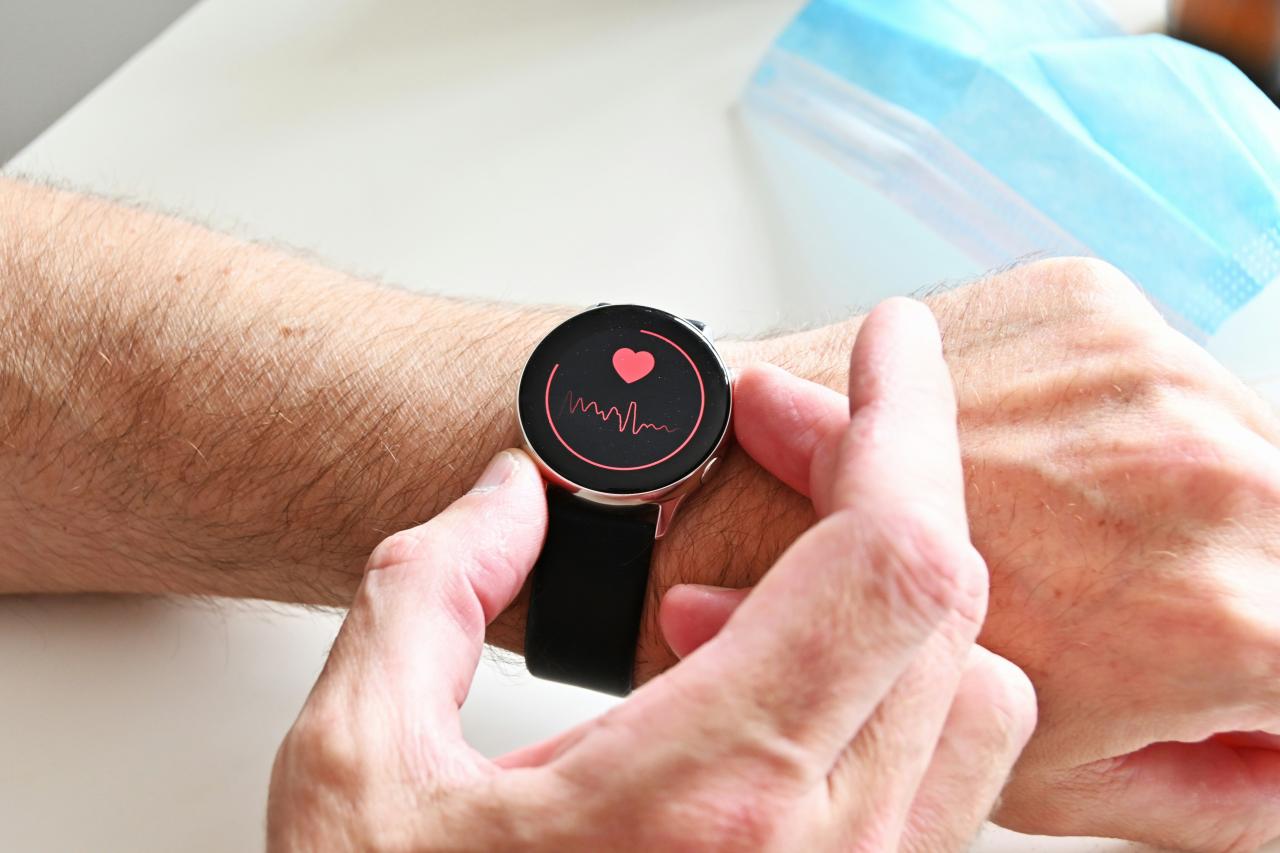
The landscape of personal healthcare is undergoing a massive transformation as artificial intelligence moves from hospital laboratories directly onto our wrists and fingertips. We no longer live in an era where you must wait for physical symptoms or an annual check-up to understand the state of your cardiovascular health.
Modern AI-powered wearables continuously monitor your heart’s rhythm, blood pressure trends, and oxygen saturation with medical-grade precision. These devices utilize complex machine learning algorithms to identify subtle patterns that often escape the notice of even the most experienced human eyes.
By wearing these intelligent tools, you effectively gain a twenty-four-hour cardiac guardian that works tirelessly to keep you safe and informed. This technological shift allows you to move away from reactive emergency care and embrace a truly proactive approach to your long-term survival.
Most users find that having a real-time health dashboard provides the mental clarity needed to make better lifestyle choices and reduce daily anxiety. Understanding how these sensors detect early warning signs ensures that you stay ahead of potential risks while maintaining peak physical performance.
This comprehensive guide explores the most effective AI wearables currently redefining the boundaries of early heart disease detection and high-tech wellness. Embracing this personal monitoring allows you to live a more organized, secure, and ultimately more successful life in the modern age.
Mastering Electrocardiogram Technology on Your Wrist
A. Analyzing the Accuracy of Wrist Based ECG Sensors
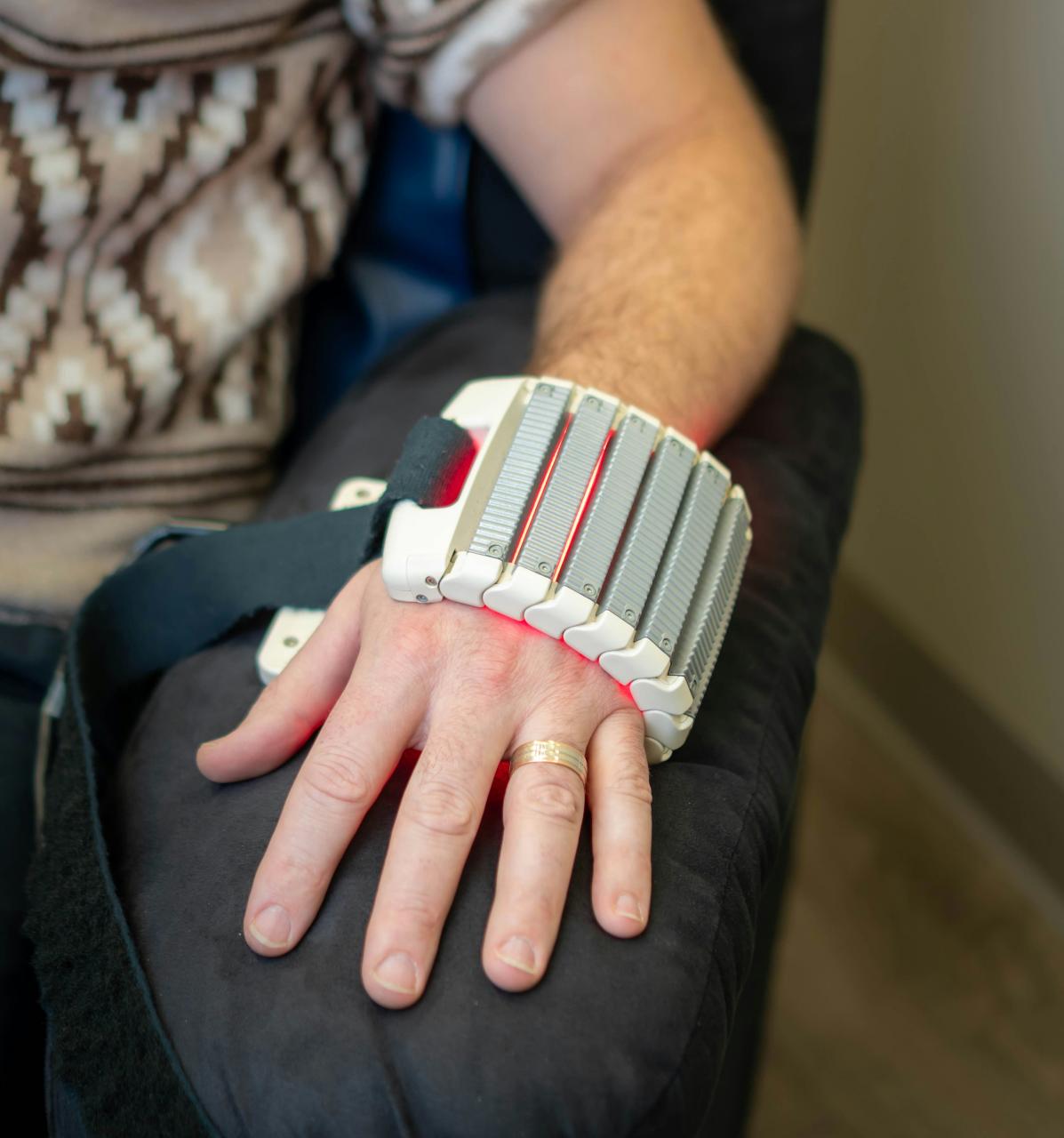
The primary tool for detecting irregular heartbeats, such as Atrial Fibrillation, is the Electrocardiogram or ECG. Modern AI wearables use sapphire crystal and stainless steel electrodes to record the electrical signals of your heart in just thirty seconds.
The onboard AI then compares your specific “waveform” against millions of clinical samples to identify any dangerous deviations from a healthy rhythm.
This technology allows you to capture a recording the exact moment you feel a palpitation or dizziness, providing your doctor with invaluable data. You no longer have to hope that an abnormality happens while you are sitting in a medical clinic.
From my perspective, many people own these devices but never actually perform a manual ECG scan when they feel “off.” You solve the problem of “missed diagnosis” by making a habit of running a scan whenever your stress levels spike or your coffee intake is high.
I suggest you export your ECG reports as a digital file once a month to keep a permanent history of your heart’s electrical health. This proactive documentation helps your physician spot long-term changes that a single snapshot might miss entirely.
B. Evaluating AI Driven Atrial Fibrillation Detection
Atrial Fibrillation is a leading cause of stroke, yet it often remains “silent” and goes undetected for a long time. High-performance wearables now feature background monitoring that checks your heart rhythm several times per hour while you are stationary or asleep.
If the AI detects an irregular pattern, it sends a high-priority alert to your phone, prompting you to take a more detailed reading.
These systems have achieved incredible sensitivity, often catching early-stage issues before they become life-threatening emergencies. This constant vigilance provides a level of security that allows you to focus on your professional goals without worrying about “hidden” health threats.
I believe that “silent alerts” are the most valuable feature of any modern health wearable for busy professionals. You solve the problem of “health procrastination” by letting the device act as your objective medical advocate during a hectic workday.
My advice is to enable all “irregular rhythm” notifications immediately upon setting up your device. This ensure that the AI is working in the background so you can stay fully present in your meetings and creative projects.
C. Understanding the Role of PPG Sensors in Heart Monitoring
Photoplethysmography or PPG sensors use green light to measure the changes in blood volume in your microvasculature. The AI interprets these light reflections to calculate your resting heart rate, heart rate variability, and even your recovery speed after exercise.
While less precise than an ECG for electrical issues, PPG provides the “big picture” of your cardiovascular stress and overall fitness levels.
It helps the AI determine if your heart is working too hard during rest or if your aerobic capacity is improving over time. This continuous data stream builds a comprehensive profile of your heart’s “engine performance” across different activities and environments.
In my view, “heart rate trends” tell a much more important story than a single high or low number on a screen. You solve the problem of “fitness confusion” by watching how your resting heart rate decreases as you improve your sleep and nutrition habits.
I suggest you focus on your “Sleep Heart Rate” as the most accurate indicator of your body’s true recovery and cardiac health. A lower heart rate during deep sleep usually means your heart is strong and your nervous system is perfectly balanced.
D. The Advantage of Medical Grade Certification for Consumer Tech
Many modern AI wearables have received formal clearance from health authorities to provide specific medical-grade notifications. This means the AI models have passed rigorous clinical trials to prove they can accurately identify heart conditions in a wide range of people.
When you choose a certified device, you gain access to data that you and your doctor can actually trust for making health decisions.
It bridges the gap between a “fitness toy” and a legitimate medical tool that can save your life. This level of professional validation ensures that your investment in technology translates into real-world safety and peace of mind.
I think that “professional trust” is the final frontier for anyone looking to integrate technology into their personal medical care. You solve the problem of “data anxiety” by selecting a brand that prioritizes clinical accuracy over flashy but unverified marketing features.
My take is that you should share your device’s “accuracy whitepapers” with your cardiologist during your next visit. This transparency builds a collaborative relationship between your digital guardian and your human medical team.
Optimizing Blood Pressure and Oxygen Tracking
A. Harnessing Cuffless Blood Pressure Monitoring Innovations
High blood pressure is often called the “silent killer” because it causes massive damage without any obvious outward symptoms. The latest AI wearables use advanced pulse wave analysis to estimate your blood pressure without the need for a traditional squeezing arm cuff.
The AI looks at how fast blood moves from your heart to your wrist and how the pressure wave reflects back through your arteries.
While these systems often require an initial “calibration” with a standard cuff, they provide a revolutionary way to track your pressure throughout the day. This constant feedback helps you identify how specific foods, stressors, or medications affect your circulatory health in real-time.
From my perspective, “white-coat hypertension” often makes office readings inaccurate because people feel nervous at the doctor’s office. You solve the problem of “false readings” by tracking your blood pressure in the comfort and silence of your own home.
I suggest you take a reading at the exact same time every evening to get the most consistent and comparable data. This routine allows you to see the true impact of your lifestyle on your arterial health without the interference of temporary stress.
B. Evaluating Blood Oxygen Saturation and Heart Failure Risks
Blood oxygen levels or SpO2 provide a vital window into how well your heart and lungs are working together to fuel your body. AI wearables monitor these levels particularly well during sleep, where drops in oxygen can indicate sleep apnea or early signs of congestive heart failure.
The AI can identify “cyclical desaturations” that often go unnoticed but put a massive strain on your heart muscle over several years.
By identifying these patterns early, you can seek treatment that improves your sleep quality and protects your heart from long-term damage. It turns your sleep into a proactive recovery session rather than just a passive period of unconsciousness.
I believe that “oxygen awareness” is the most underrated part of a complete professional recovery and longevity strategy. You solve the problem of “chronic exhaustion” by verifying that your body is actually getting the oxygen it needs while you rest.
My advice is to review your “Oxygen Variability” graph every morning to check for any significant dips during the night. If you see a pattern of low oxygen, it is time to consult a specialist before it turns into a chronic cardiac issue.
C. Implementing AI Driven Stress and Cortisol Tracking
Chronic stress is a primary driver of heart disease, as it keeps your body in a state of inflammation and high blood pressure. Modern AI wearables use “Electrodermal Activity” (EDA) sensors to detect microscopic sweat changes on your skin that indicate a stress response.
The AI combines this data with your heart rate variability to give you a “Stress Management Score” every day.
This helps you identify which specific parts of your professional life are the most “toxic” to your heart health. You can then use the device’s guided breathing or meditation features to manually lower your stress levels and protect your cardiovascular system.
In my view, most high-achievers “normalize” their stress until their body literally forces them to stop through a health crisis. You solve the problem of “stress blindness” by letting the AI tell you when it is time to take a five-minute mental break.
I suggest you use the “EDA Scan” feature before and after a high-stakes meeting to see how your body actually reacts to pressure. This visual proof makes it much easier to justify taking a few minutes to reset your mind and protect your heart.
D. The Advantage of Long Term Trend Analysis for Preventative Care
The true power of AI in healthcare lies in its ability to analyze years of data to spot very slow, incremental changes in your health. A wearable can show you if your resting heart rate has climbed by five beats per month or if your blood pressure is slowly trending upward.
These “micro-shifts” are often the earliest signs of heart disease, appearing years before a major cardiac event occurs. By catching these trends early, you can make small lifestyle adjustments—like more walking or less salt—that prevent the disease from progressing.
It turns your wearable into a lifelong “health historian” that ensures you stay on the path of wellness and longevity.
I think that “long-term vision” is the only way to win the game of health and professional success over several decades. You solve the problem of “sudden illness” by treating your health data like a long-term investment portfolio that requires regular rebalancing.
My take is that you should use the “Year in Review” features of your health app to celebrate your improvements and identify areas for growth. This positive reinforcement turns health management into a rewarding and life-long journey of self-improvement.
Strategic Integration with Professional Medical Advice
A. Analyzing the Value of Sharing Data with Your Physician
A health wearable is most effective when it acts as a bridge between your daily life and your doctor’s clinical expertise. You should choose a device that allows you to easily share a PDF report or a live data feed with your primary care physician or cardiologist.
This ensures that your doctor has a “high-resolution” view of your heart health rather than just a single point of data from an office visit. It allows for much more personalized medical advice and can help your doctor fine-tune your medications with extreme precision.
This collaborative approach turns you into an active partner in your own healthcare, which significantly improves your long-term outcomes and peace of mind.
From my perspective, many doctors are still learning how to handle the massive amount of data that wearables provide to their patients. You solve the problem of “data overwhelm” by only presenting the “abnormal” alerts and the long-term averages during your consultation.
I suggest you highlight specific “red-flag” events in your digital journal to make the conversation efficient and focused on results. This professional approach respects your doctor’s time while ensuring your most important health concerns get the attention they deserve.
B. Establishing Personal Privacy and Data Security Guardrails
When you wear a device that tracks your heart and your blood 24/7, you must be extremely diligent about who has access to that data. You should choose companies that use end-to-end encryption and give you total control over how your private health information is shared.
It is vital to read the privacy policies to ensure your data is not being sold to insurance companies or third-party advertisers. Protecting your “digital perimeter” is a mandatory part of being a high-performance professional in the modern digital-first economy.
It ensures that your journey toward better health does not come at the cost of your personal privacy or your family’s future security.
I think that “privacy-first” is the only sustainable way to live in a world where technology knows more about our bodies than we do. You solve the problem of “data leakage” by being extremely selective about which third-party apps you allow to talk to your primary health dashboard.
My take is that you should treat your heart health data with the same level of security as your primary bank account or your corporate trade secrets. This professional distance ensures that you get all the benefits of high-tech wellness without exposing your most private biological secrets.
C. The Importance of Manual Verification and Human Intuition
Even the most advanced AI can occasionally make a mistake or misinterpret a complex set of biological signals from your body. You should never use a wearable to self-diagnose a serious condition or to ignore real physical symptoms like chest pain or shortness of breath.
If you feel unwell, you must seek professional medical help immediately, regardless of what the AI on your wrist is telling you at that moment.
The wearable is a powerful “smoke detector,” but it is not a replacement for the “fire department” of professional emergency medicine. Maintaining a balance between high-tech data and human intuition ensures that you stay safe and healthy in all situations.
In my view, “over-reliance” on technology can lead to a dangerous sense of false security or unnecessary health anxiety. You solve the problem of “digital obsession” by cross-referencing your device’s data with how you actually feel in your physical body every day.
I suggest you take a “technology break” for one day a week to reconnect with your natural physical sensations and your environment. This balanced approach keeps you grounded and ensures that technology remains a helpful servant rather than a stressful master.
D. Scaling Health Monitoring for Family and Community Safety
Once you master your own heart health monitoring, you can help your family members set up their own AI wearables to create a “culture of safety” in your home. Some devices allow you to set up “Emergency Sharing,” where a family member is notified immediately if the AI detects a dangerous heart rhythm or a sudden fall.
This is especially valuable for elderly parents or family members with a history of cardiac issues, providing an extra layer of protection and peace of mind.
Collaborative health monitoring turns a personal gadget into a collective tool for family longevity and mutual support. It ensures that the people you love most are always protected by the best technology available in the modern world.
I think that “community intelligence” is the secret to staying healthy and sane in an era of rapid technological change. You solve the problem of “lifestyle isolation” by being open about your health successes and failures with your closest friends and your family members.
I suggest you start a “family health challenge” where everyone uses their wearable data to compete for the best “recovery score” each week. This fun and competitive spirit turns a boring health chore into a rewarding and life-long habit that protects everyone’s heart.
Conclusion
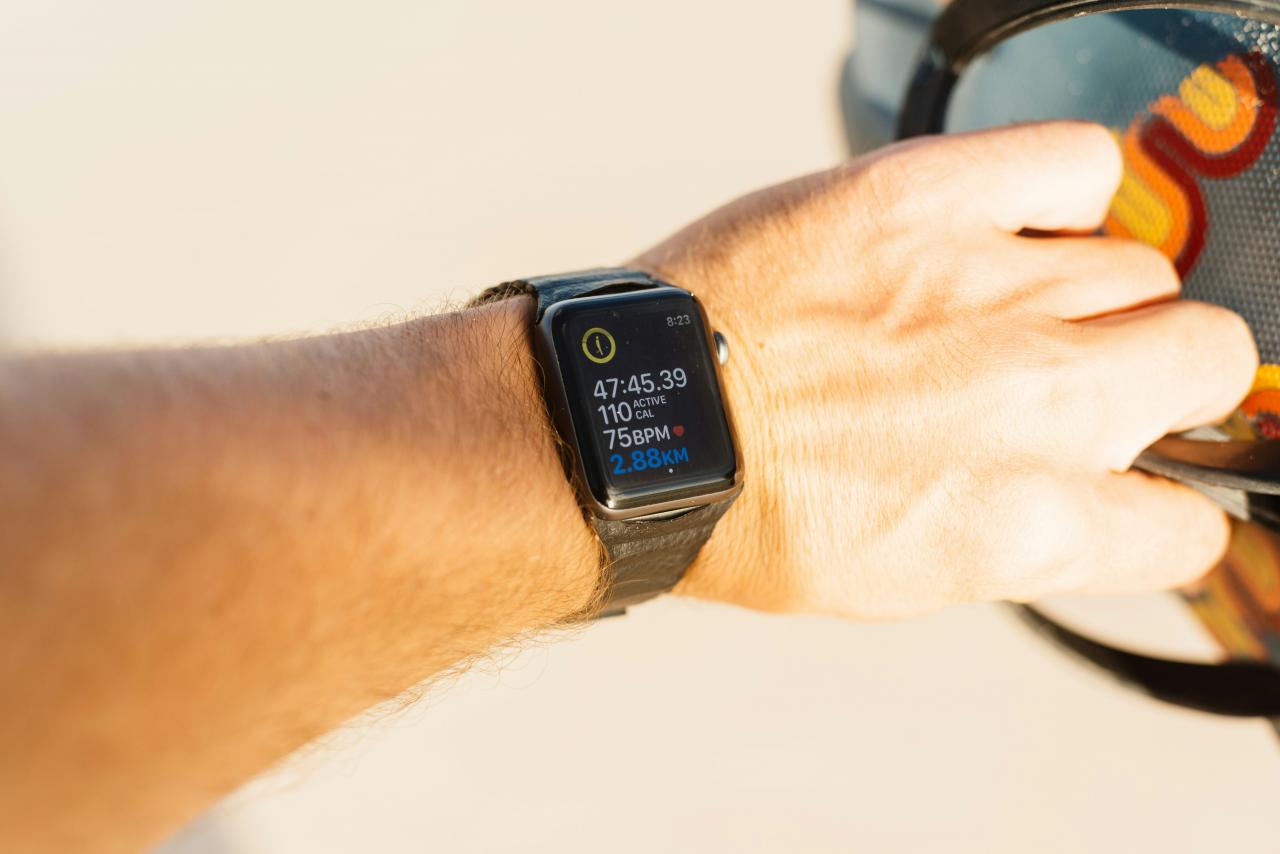
AI wearables for heart health are the best move for your future. They provide a high level of security and peace every day. The technology for your heart is getting better every year. You should embrace these tools to live a more focused life.
Always prioritize a device that respects your privacy and your goals. A scientific approach ensures that your heart is safe and strong. Your health is your biggest asset and deserves the best care. Strategic personal AI adds massive value to your daily living now.
Don’t be afraid of the technical side of modern wearable tech. Most people find the data to be a massive relief for health anxiety. Start your journey to a better life by finding a wearable. You will be amazed at the energy and peace you feel.
Your professional freedom starts with the smart choices you make today. Build a better future for your heart with an AI wearable.

