



The world of athletic performance is currently undergoing a massive transformation as high-tech recovery tools move from professional training facilities directly into the homes of everyday fitness enthusiasts.
We no longer live in an era where you must guess how much rest your body needs after a grueling session at the gym or a long trail run. Modern wearable technology now offers a deep window into your internal physiological state, allowing you to monitor muscle fatigue, nervous system strain, and cellular repair with incredible precision.
These advanced trackers utilize sophisticated sensors to measure heart rate variability, blood oxygen levels, and even skin temperature to build a complete map of your recovery progress. By wearing these next-gen devices, you effectively gain a digital coach that tells you exactly when to push your limits and when to prioritize deep rest.
This technological shift allows you to move away from the dangerous “no pain, no gain” mentality and embrace a smarter, data-driven approach to your long-term health. Most users find that seeing their recovery data visualized in a simple app provides the clarity needed to avoid overtraining and chronic injury.
Understanding the nuances of your own body’s recovery response ensures that you stay sharp, resilient, and fully energized for your professional and personal life. This comprehensive guide explores the most effective recovery trackers currently redefining the standards of modern fitness and high-tech wellness.
Mastering Autonomic Nervous System Balance with HRV
A. Analyzing Heart Rate Variability for Recovery Readiness
The most important metric for muscle recovery in the modern era is Heart Rate Variability or HRV. This technology measures the microscopic time differences between each heartbeat to determine the state of your autonomic nervous system.
A high HRV indicates that your body is in a “rest and digest” state, meaning your muscles are repairing themselves efficiently and you are ready for another intense workout. Conversely, a low HRV suggests that your nervous system is still under stress, and pushing harder could lead to injury or burnout.
Next-gen trackers like the Whoop 4.0 and Oura Ring provide a daily “Readiness Score” based on this data, allowing you to plan your physical activity with scientific certainty.
From my perspective, many athletes ignore their HRV because they feel mentally “fine” even when their body is physically struggling. You solve the problem of “invisible fatigue” by letting the tracker act as an objective judge of your physical capacity each morning.
I suggest you check your HRV trend over a seven-day period rather than obsessing over a single night’s score. This long-term view helps you identify which specific lifestyle factors, such as late-night meals or work stress, are truly sabotaging your muscle repair process.
B. Evaluating Resting Heart Rate and Stress Loads
Your resting heart rate is another vital indicator of how well your heart and muscles are recovering from previous physical exertion. A sudden spike in your resting heart rate often signals that your body is working overtime to repair muscle tissue or fight off an emerging illness.
Advanced trackers monitor your heart rate continuously while you sleep to establish a baseline that is unique to your specific physiology.
By identifying deviations from this baseline, the AI can alert you to adjust your training volume before you hit a wall of exhaustion. This constant monitoring provides a safety net that protects your cardiovascular health while you pursue ambitious fitness goals.
I believe that “baseline awareness” is the secret weapon of elite performers who want to stay at the top of their game for decades. You solve the problem of “overtraining syndrome” by respecting the data when it shows your heart is under unnecessary pressure.
My advice is to keep a digital journal of your caffeine and alcohol intake to see how they directly impact your resting heart rate. You will likely discover that small changes in your evening habits lead to massive improvements in your morning recovery metrics and overall energy.
C. Understanding the Impact of Respiratory Rate on Muscle Repair
Respiratory rate, or the number of breaths you take per minute, usually stays very stable, making any change a significant signal of physical stress. Next-gen trackers can detect even slight increases in your nighttime breathing rate, which often happens when your body is under high metabolic demand.
This might occur after a very intense leg day or a high-altitude hike where your muscles require extra oxygen for repair.
Monitoring this metric helps the AI determine the “intensity” of your recovery and whether your body is successfully returning to a state of balance. It provides an extra layer of context that helps distinguish between simple tiredness and true systemic fatigue.
In my view, respiratory rate is the “silent metric” that many people overlook because it doesn’t seem as exciting as heart rate. You solve the problem of “incomplete recovery” by watching for spikes in your breathing during the night after a heavy lifting session.
I suggest you practice deep diaphragmatic breathing exercises before bed if your tracker shows a consistently high respiratory rate. This manual intervention helps “jump-start” your parasympathetic nervous system and speeds up the delivery of oxygen-rich blood to your tired muscle fibers.
D. The Advantage of Skin Temperature Monitoring during Sleep
Modern recovery trackers now include high-precision skin temperature sensors that provide a window into your inflammatory response and circadian rhythm. A slight increase in local skin temperature can indicate that your muscles are in an active state of inflammation following a workout.
While some inflammation is necessary for muscle growth, chronic or excessive heat can signal a need for better recovery strategies or anti-inflammatory nutrition.
These sensors also help the AI identify if your sleeping environment is too hot, which can prevent you from entering the deep sleep stages needed for growth hormone release. Tracking your temperature ensures that your “recovery environment” is just as optimized as your “training environment.”
I think that “thermal management” is the final frontier for anyone looking to master their body’s internal repair mechanisms. You solve the problem of “inflamed joints” by letting the tracker show you when your body temperature stays elevated for too many nights in a row.
My take is that you should use this data to find your “ideal bedroom temperature” for the fastest possible recovery. You might find that cooling your room by just a few degrees significantly lowers your skin temperature and boosts your total deep sleep time.
Optimizing Sleep Architecture for Hormonal Repair
A. Analyzing Deep Sleep for Growth Hormone Secretion
Deep sleep, also known as slow-wave sleep, is the specific stage where your body releases the vast majority of its human growth hormone. This hormone is essential for repairing the micro-tears in your muscle fibers caused by resistance training and high-intensity exercise.
Next-gen trackers use motion and heart rate data to identify exactly how much time you spend in this critical restorative phase each night.
If your tracker shows you are consistently getting less than ninety minutes of deep sleep, your muscles will struggle to grow and recover regardless of how well you eat. Mastering your sleep architecture is the most important step in any high-performance fitness journey.
From my perspective, people spend thousands on supplements while completely ignoring the “free” repair process that happens during deep sleep. You solve the problem of “slow muscle growth” by prioritizing a consistent sleep schedule that allows your brain to enter deep stages naturally.
I suggest you eliminate all blue light from your bedroom at least an hour before you plan to sleep. This simple change allows your brain to produce the melatonin needed to trigger the deep, hormonal repair cycles your muscles crave.
B. Evaluating REM Sleep and Neuromuscular Coordination
REM sleep is vital for “neuromuscular learning,” which is how your brain and muscles communicate to perform complex movements and maintain balance. During this stage, your brain processes the motor patterns you practiced during the day, making them more efficient and automatic for your next workout.
If you cut your sleep short, you often lose the most important REM cycles that happen in the final hours of the morning.
This can lead to “clumsiness” or a lack of coordination during your next session, which significantly increases your risk of acute injury. A good tracker will show you the balance between REM and Deep sleep so you can ensure your mind and body are recovering in tandem.
I believe that “brain-muscle connection” is what separates a great athlete from someone who just works out hard. You solve the problem of “stagnant progress” by ensuring you don’t wake up prematurely during your final REM cycles.
My advice is to use a “smart alarm” feature that waits until you are in a light sleep stage to wake you up. This prevents the “sleep inertia” that can make you feel groggy and uncoordinated during an early morning gym session.
C. Understanding Sleep Consistency and Circadian Alignment
Consistency is the most underrated factor in high-quality sleep and effective muscle recovery. Going to bed and waking up at the same time every day trains your body’s internal clock to release the right hormones at the right time.
Next-gen trackers provide a “Sleep Consistency” score to help you identify if your weekend habits are destroying the progress you made during the week.
When your circadian rhythm is aligned, your body can enter restorative sleep stages much faster and stay in them longer. This biological harmony is essential for maintaining high energy levels and a fast metabolism throughout the entire day.
In my view, “weekend jetlag” is a major cause of the Monday morning fatigue that many professionals and athletes accept as normal. You solve the problem of “erratic energy” by keeping your wake-up time within a thirty-minute window every single day of the week.
I suggest you use your tracker’s data to find your “natural sleep window”—the time when you fall asleep the fastest and wake up feeling the most refreshed. Staying within this window is the easiest way to optimize your recovery without needing any extra equipment or expensive gadgets.
D. The Advantage of Sleep Debt Tracking for Long Term Health
Sleep debt is the cumulative amount of rest you have missed compared to your body’s actual physiological needs. Many next-gen trackers now calculate this debt and tell you exactly how much “extra” sleep you need to catch up and reach full recovery.
Carrying a high sleep debt for several weeks causes a massive spike in cortisol, which actually breaks down muscle tissue and promotes fat storage.
By keeping your sleep debt low, you ensure that your body remains in an “anabolic” state that favors muscle building and efficient energy use. It turns the abstract concept of “rest” into a manageable daily goal that you can track and achieve with total clarity.
I think that “sleep debt awareness” is the only thing that can convince a high-achiever to finally put down their phone and go to bed. You solve the problem of “accumulated burnout” by treating your sleep debt like a financial credit card that must be paid off every week.
My take is that you should aim for a “Sleep Performance” of at least ninety percent on your tracker for three consecutive days after a heavy training block. This disciplined approach ensures that you never fall into the trap of chronic exhaustion and permanent physical decline.
Implementing Data Driven Training Adjustments
A. Harnessing Strain vs Recovery Balance for Peak Performance
The most advanced feature of next-gen trackers is the ability to compare your daily “Strain” or physical effort against your “Recovery” score. If you have a high recovery score, the AI will suggest a “High Strain” day where you can safely push for a new personal record.
If your recovery is low, it will recommend a “Rest” or “Active Recovery” day to prevent injury and allow your muscles to catch up.
This “prescriptive” coaching removes the guesswork from your training and ensures that every drop of sweat contributes to your long-term goals. It turns your wearable into a high-performance partner that manages your physical “budget” with surgical precision.
From my perspective, most people either work too hard when they are tired or not hard enough when they are fresh. You solve the problem of “inefficient training” by letting the data dictate the intensity of your daily workout.
I suggest you commit to a “low intensity” walk or mobility session on any day your recovery score is in the red. This professional patience is what allows elite athletes to train year-round without the setbacks of injury or mental burnout.
B. Evaluating the Impact of Nutrition and Alcohol on Repair
Your recovery tracker can show you the immediate and devastating impact that alcohol and poor nutrition have on your muscle repair process. Even a single drink can cause your HRV to plummet and your resting heart rate to climb for the entire next day.
By watching these metrics in real-time, you gain a powerful incentive to choose foods and habits that actually support your fitness goals.
You can see how a high-protein meal or proper hydration improves your “recovery curve” and helps you feel better faster. This direct feedback loop turns your health data into a powerful educational tool for better lifestyle choices.
I believe that “visualizing the damage” is the only way many people will finally change their relationship with alcohol and processed foods. You solve the problem of “nutritional self-sabotage” by looking at the hard numbers on your screen the morning after a night of poor choices.
My advice is to use your tracker to test how different “pre-sleep” snacks, like tart cherry juice or casein protein, affect your recovery scores. You will quickly find the specific “fuel” that helps your body repair itself with maximum efficiency while you sleep.
C. Implementing Active Recovery Techniques Based on Feedback
Active recovery involves low-intensity movement like walking, swimming, or light yoga to increase blood flow to tired muscles without adding more stress. Your tracker can help you stay in the “Active Recovery Zone” by monitoring your heart rate and ensuring you don’t accidentally push too hard.
This increased circulation delivers oxygen and nutrients to damaged tissues while helping to flush out metabolic waste products like lactic acid.
By performing the right amount of active recovery, you can actually reduce muscle soreness and get back to heavy training much faster. It turns your “off days” into productive sessions that actively build a stronger and more resilient body.
In my view, “sitting on the couch” is often the worst thing you can do for sore muscles because it allows blood to pool and stiffness to set in. You solve the problem of “post-workout stiffness” by using the tracker to guide a twenty-minute low-intensity movement session.
I suggest you keep your heart rate below fifty percent of your maximum during these sessions to ensure you are truly recovering. This gentle movement acts like a “manual pump” for your circulatory system, keeping your muscles supple and ready for the next challenge.
D. The Advantage of Community and Team Recovery Monitoring
Many next-gen trackers allow you to join “communities” or “teams” where you can share your recovery data with friends or training partners. This social connection provides a sense of accountability and allows you to learn from the habits of other high-performers.
You can see how your friends manage their stress and recovery, providing new ideas for your own wellness routine. For professional coaches, this data allows for “team-wide” monitoring to ensure that no individual athlete is being pushed too hard or falling behind.
It turns recovery from a lonely struggle into a collaborative and supportive journey toward collective excellence.
I think that “community support” is the secret to staying motivated during the boring but essential phases of a fitness journey. You solve the problem of “training in a vacuum” by connecting with others who value recovery as much as they value hard work.
My take is that you should join a “Recovery Group” in your app to see the positive impact that a healthy lifestyle has on a diverse range of people. This shared transparency builds a culture of health and ensures that everyone stays on the path of long-term vitality and success.
Conclusion
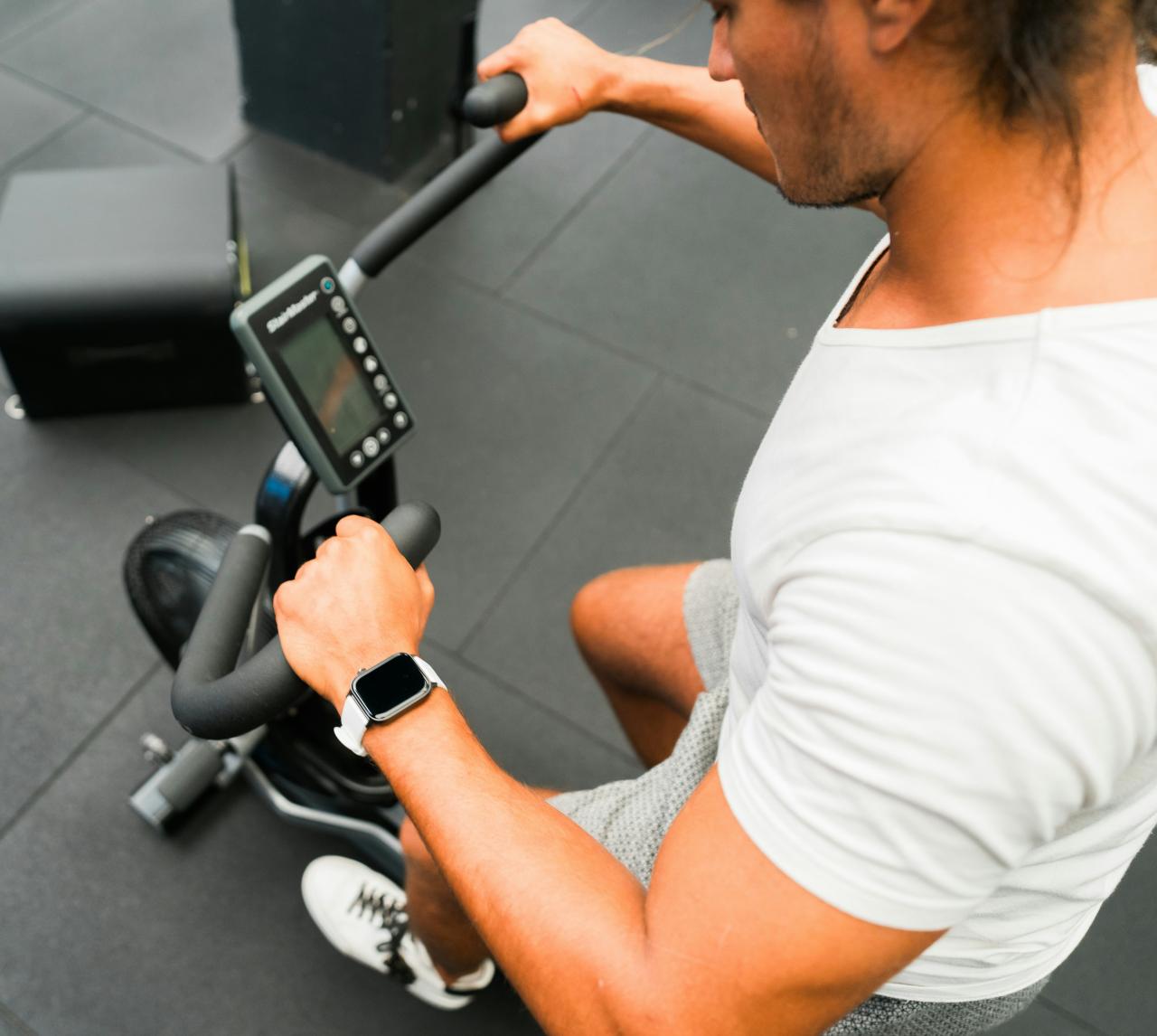
Using next-gen recovery trackers is the best move for your fitness. They provide a high level of clarity and peace every day. The technology for your heart and muscles is getting better.
You should embrace these tools to live a more focused life. Always prioritize a tracker that respects your privacy and your goals. A scientific approach ensures that your body is safe and strong. Your health is your biggest asset and deserves the best care.
Strategic personal AI adds massive value to your daily living now. Don’t be afraid of the technical side of modern wearable tech. Most people find the data to be a massive relief for burnout. Start your journey to a better life by finding a tracker.
You will be amazed at the energy and peace you feel. Your professional freedom starts with the smart choices you make today. Build a better future for your body with a next-gen tracker.

