


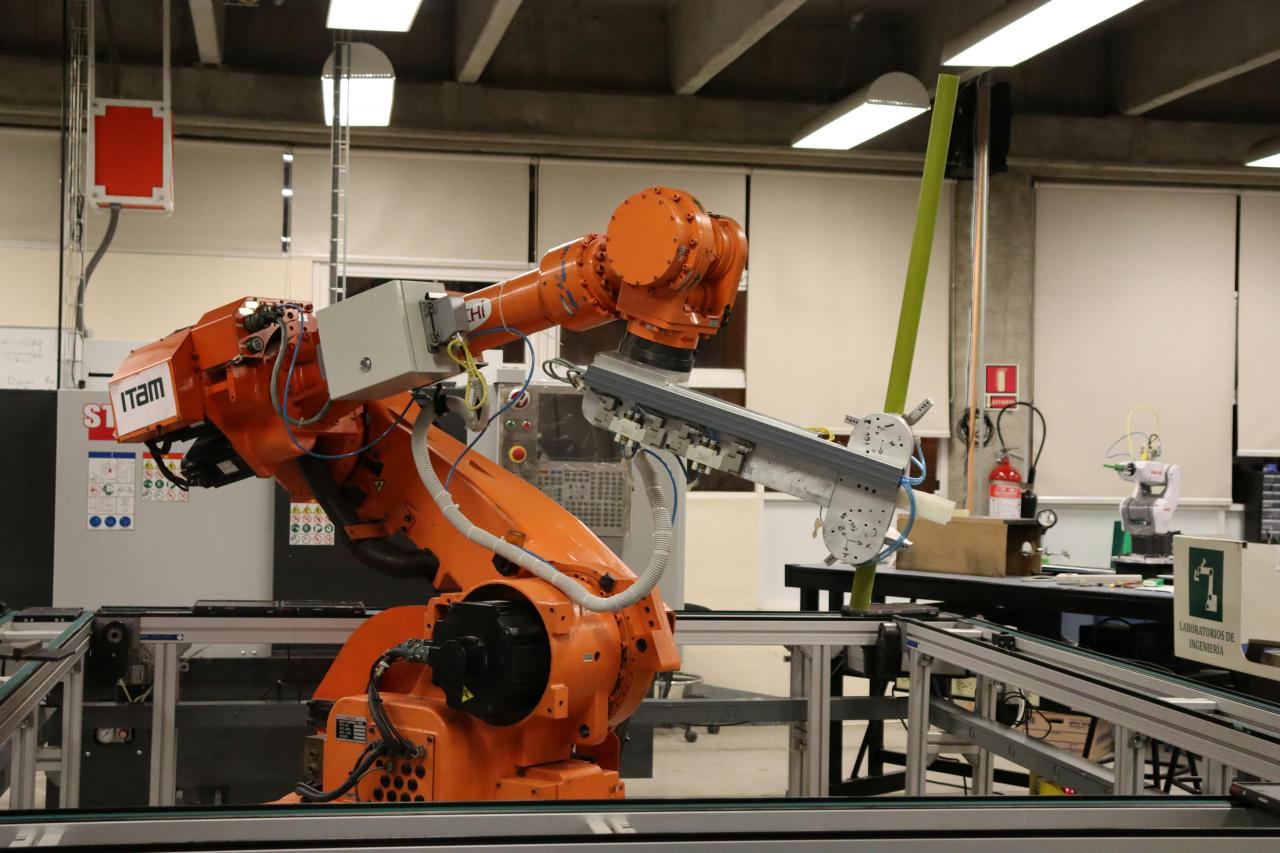
The concept of the modern dwelling is currently undergoing a radical metamorphosis, transitioning from a static collection of brick and mortar into a dynamic, living organism powered by the latest advancements in autonomous robotic infrastructure.
For many decades, the peak of residential technology was defined by simple connected appliances or programmable thermostats, but we have now entered a transformative era where physical intelligence is being woven directly into the structural DNA of the next generation of high-performance homes.
This shift is driven by a massive influx of institutional capital into the fields of spatial computing, general-purpose humanoid robotics, and decentralized energy management, all of which aim to liberate the human occupant from the mundane friction of domestic maintenance.
As global property developers and high-net-worth investors seek new ways to add sustainable value to real estate assets, the integration of autonomous service rails has become a primary differentiator in the luxury and high-tech housing markets. These new systems do not merely exist within the home; they operate as a seamless, invisible workforce capable of managing everything from precision climate control and structural health monitoring to complex culinary preparation and waste-to-energy conversion.
The architecture of these intelligent spaces requires a fundamental rethink of interior design, necessitating the inclusion of dedicated charging nodes, robotic mobility corridors, and high-bandwidth sensor arrays that allow for perfect situational awareness. Furthermore, the rise of “as-a-service” domestic models means that the home itself is becoming a proactive partner in the resident’s wellness and productivity, utilizing real-time data to optimize environmental conditions for deep sleep, focused work, or rapid physical recovery.
This evolution is not a luxury for the distant future but a present-day realignment of how we perceive the relationship between human life and the built environment. As the cost of sophisticated robotic actuators and edge-computing hardware continues to decline, the adoption of these structural intelligence layers will become a non-negotiable standard for all future urban developments.
Ultimately, the goal of robotic infrastructure is to turn the residential asset into a source of cognitive freedom, allowing individuals to reclaim thousands of hours previously lost to manual chores and administrative domestic tasks.
The Structural Blueprint of Autonomous Living
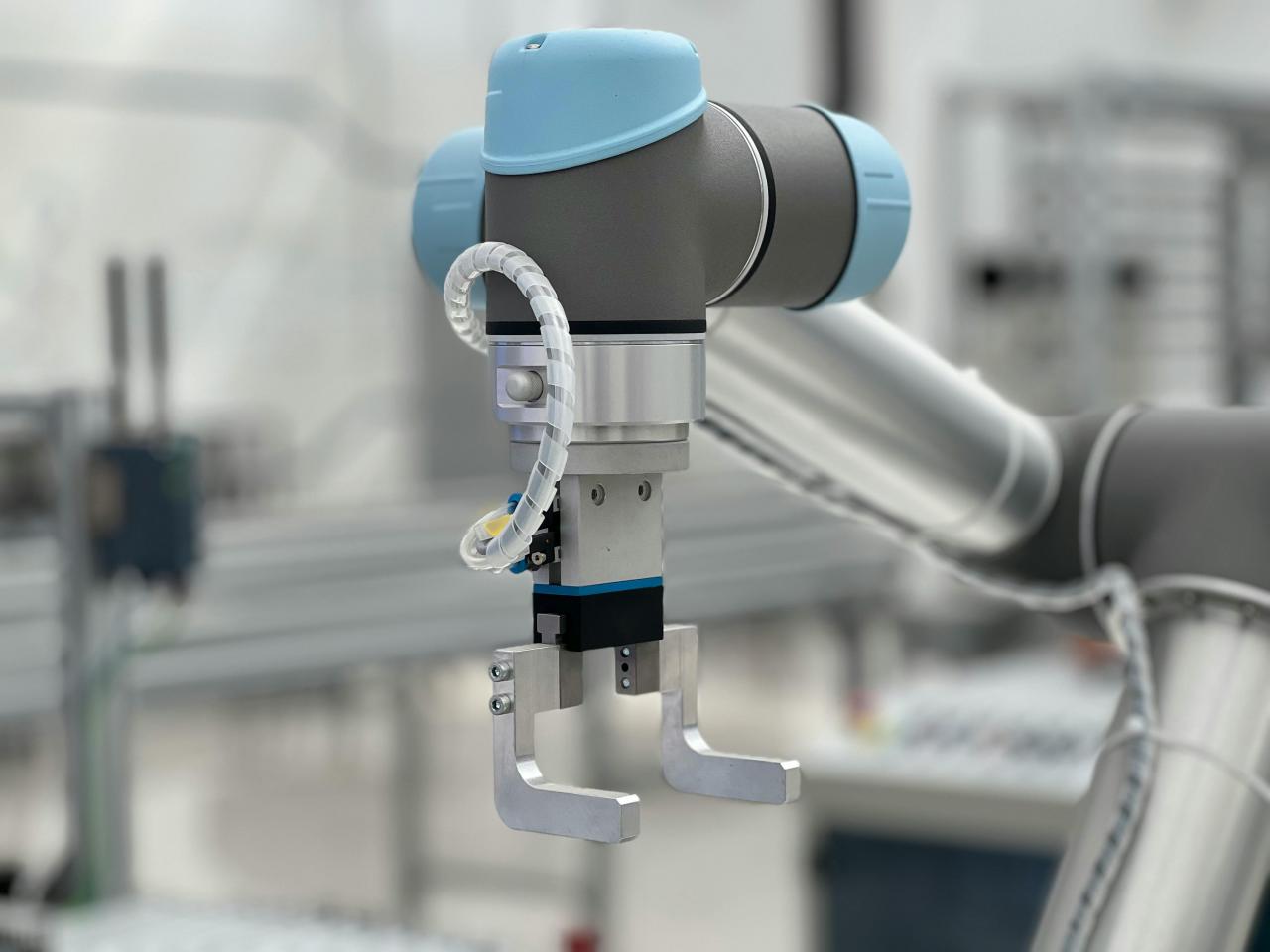
The foundation of a truly automated home begins with the physical infrastructure that supports robotic movement and energy distribution. Unlike traditional homes, these environments are designed to be “machine-readable” from the very first day of construction.
A. Integrated Spatial Navigation Anchors
B. High-Voltage Robotic Charging Terminals
C. Modular Wall Systems for Embedded Electronics
D. Concealed Automated Service Corridors
E. Unified Building Operating System Hubs
By installing these components during the building phase, developers can ensure that the home is ready for any future robotic upgrade. This foresight protects the long-term market value of the property and reduces the cost of future technological retrofits.
Precision Domestic Labor via Humanoid Assistants
The most visible part of the next generation home is the arrival of versatile robotic assistants capable of performing multi-stage tasks. These agents use advanced haptic sensors and machine vision to handle delicate items with the same care as a human.
A. Bipedal Mobility for Multi-Floor Navigation
B. Dexterous End-Effectors for Culinary Tasks
C. Natural Language Command Processing
D. Subjective Preference Learning Algorithms
E. Secure Offline Processing for Privacy
These assistants are not limited to one room; they can move through the entire house to fold laundry, tidy common areas, or assist with heavy lifting. This universal utility makes them the centerpiece of the modern domestic workforce.
Automated Environmental and Climate Orchestration
Maintaining the perfect internal atmosphere is no longer a manual task of adjusting a thermostat or opening a window. Intelligent infrastructure uses a network of sensors to monitor air quality, humidity, and temperature in real-time across every square inch of the home.
A. Zonal Biometric Temperature Mapping
B. Automated HEPA Filtration and Air Scrubbing
C. Dynamic Smart Glass Tinting Protocols
D. Circadian Rhythm Lighting Synchronization
E. Predictive HVAC Performance Monitoring
The system learns the occupants’ schedules and preferences to create the most comfortable environment possible while minimizing energy waste. This level of orchestration ensures peak mental performance and physical health for all residents.
The Rise of the Autonomous Culinary Suite
The kitchen is being transformed into a high-precision laboratory where robotic arms and smart appliances work together to prepare customized nutrition. These systems manage the entire lifecycle of food, from automated grocery procurement to precision cooking and cleanup.
A. Automated Pantry Inventory Tracking
B. Robotic Precision Cooking Modules
C. Nutritional Data Integration and Analysis
D. Self-Cleaning Countertop Technologies
E. Waste-to-Compost Automated Pipelines
This technology allows residents to enjoy restaurant-quality meals that are perfectly tailored to their dietary goals without spending hours in preparation. It effectively turns the home into a private wellness retreat focused on longevity and performance.
Structural Health and Self-Diagnostic Systems
Next-generation homes are equipped with “nervous systems” that monitor the physical health of the building. This allows the infrastructure to detect issues like water leaks or electrical faults before they cause any significant damage.
A. Fiber-Optic Structural Strain Sensors
B. Acoustic Water Leak Detection Arrays
C. Thermal Imaging for Electrical Oversight
D. Automated Pest Deterrence Systems
E. Predictive Roof and Foundation Audits
By addressing maintenance issues at their earliest stages, homeowners can save hundreds of thousands of dollars in repair costs over the life of the property. This data-driven maintenance also provides peace of mind for those who travel frequently for business.
Energy Sovereignty and Smart Power Grids
The modern home must be a producer of energy, not just a consumer. Intelligent robotic infrastructure manages solar arrays, battery storage, and even electric vehicle charging to ensure the home remains powered regardless of external grid stability.
A. Real-Time Solar Yield Optimization
B. Decentralized Battery Storage Management
C. Vehicle-to-Home Energy Transfer Rails
D. Automated Demand-Side Load Balancing
E. Grid-Interactive Trading and Monetization
These systems ensure that the home operates with maximum efficiency, reducing carbon footprints and monthly utility bills. During a power outage, the autonomous system can prioritize essential life-support and security functions seamlessly.
Advanced Security and Perimeter Intelligence
Security in the automated home is proactive rather than reactive, utilizing a mix of ground-based and aerial drones to monitor the property. These systems can distinguish between authorized residents, delivery personnel, and potential intruders with extreme accuracy.
A. Autonomous Ground-Based Patrol Units
B. Tethered Aerial Surveillance Drones
C. Facial and Behavioral Recognition Gates
D. Cryptographic Guest Access Management
E. Encrypted Incident Reporting to Law Enforcement
This layer of defense provides a physical and digital shield that is much more effective than traditional alarm systems. It allows for a high level of safety without the need for intrusive physical barriers or armed guards.
Designing Interior Spaces for Machine Collaboration
For robotic agents to be effective, the interior design must be optimized for their movement. This involves selecting furniture and layouts that are easy for robots to navigate while still being aesthetically pleasing for humans.
A. Minimalist Floor Clearance Standards
B. Non-Reflective Surfaces for Lidar Accuracy
C. Standardized Height for Interactive Ports
D. Robotic-Friendly Textile and Material Choice
E. Dynamic Reconfigurable Living Areas
Collaborative design ensures that the machines can do their jobs without getting stuck or damaging the furniture. It creates a harmonious environment where technology and lifestyle coexist in a state of flow.
The Impact on Global Real Estate Investment
The inclusion of robotic infrastructure is fundamentally changing the way real estate is valued by institutional investors. Properties that are “autonomy-ready” are seeing higher demand and faster appreciation in major global tech hubs.
A. Technological Integration Asset Scoring
B. Future-Proofing for Hardware Upgrades
C. Reduction in Total Cost of Ownership
D. Enhanced Rental Yields for Smart Units
E. Resale Value Protection via Tech Standards
Investors are now looking for properties that include the underlying “rails” for automation. This trend is pushing developers to prioritize digital infrastructure just as much as physical luxury finishes.
Data Sovereignty and Domestic Privacy Protection
With so many sensors and robots in the home, protecting the privacy of the occupants is a primary concern. The best systems process all data locally on an “edge” server, ensuring that intimate details never leave the house.
A. Local Edge-Compute Privacy Walls
B. Physical Kill-Switches for Sensors
C. End-to-End Encryption for Device Logic
D. Transparent Data Usage Dashboards
E. Verified Third-Party Security Audits
Maintaining data sovereignty is essential for building trust in these new technologies. It ensures that the automated home remains a private sanctuary rather than a source of surveillance.
Longevity and Health Integration in the Home
The robotic home is becoming a primary tool for health management and aging-in-place. Automated systems can monitor vital signs and provide physical assistance to elderly residents, allowing them to remain independent for longer.
A. Integrated Fall Detection and Response
B. Automated Medication Delivery Systems
C. Mobility Support and Physical Therapy
D. Vital Sign Analysis via Ambient Sensors
E. Emergency Triage Communication Hubs
This integration provides a level of care that was previously only available in specialized medical facilities. It makes the home a critical asset in the quest for human longevity and well-being.
Overcoming the Complexity of Global Implementation
While the vision of the robotic home is clear, implementing it at scale requires the harmonization of many different global standards. Companies that provide seamless interoperability between different robotic platforms will be the leaders of this new industry.
A. Universal Interoperability for Home Robots
B. Cross-Platform Communication Standards
C. Global Regulatory and Safety Compliance
D. User-Friendly Setup and Configuration
E. Long-Term Firmware Support and Updates
Simplifying the user experience is key to mass adoption. The technology must work perfectly every time, without requiring the resident to be a software engineer to manage their own home.
Conclusion
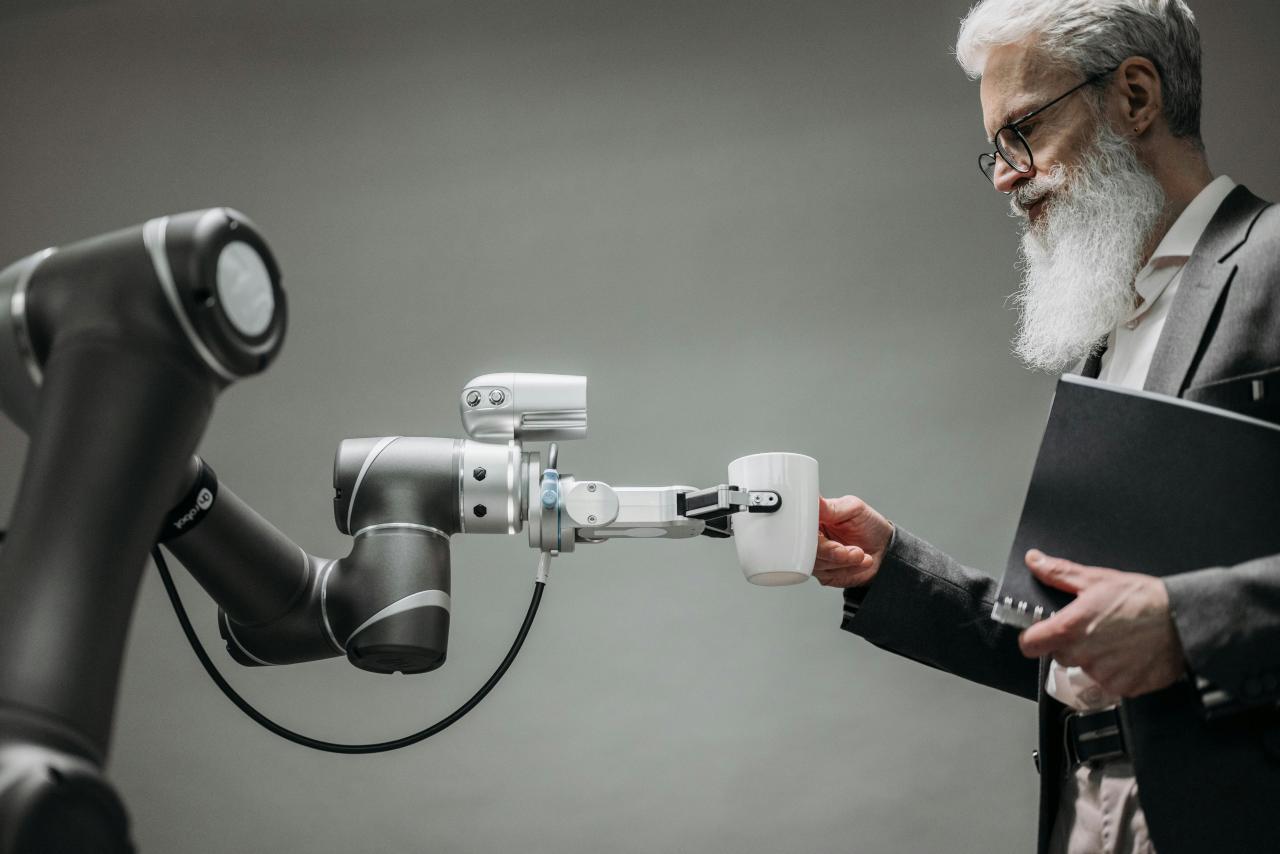
The evolution of domestic space is now irrevocably tied to the progress of robotic infrastructure. The home is no longer just a place to live but a high-performance system for living. Investing in autonomous residential technology is a strategic move for any property owner. Humanoid assistants will soon be as common as the traditional washing machine. Structural health monitoring ensures that our buildings stay safe and valuable for decades.
Energy management through AI provides a path to true residential independence and sovereignty. Privacy remains the core foundation upon which all these automated systems must be built. Data-driven wellness ensures that our homes proactively support our long-term health and vitality. The economic shift toward automated labor will unlock billions of hours of human potential. Modern real estate valuation is now defined by the quality of a building’s digital rails.
We are entering a golden age of convenience where the machine serves the human. Building a secure and intelligent home is the definitive goal of the modern professional. The partnership between architecture and robotics will redefine our urban landscapes forever. Ultimately, the goal is to create an environment that fosters growth, safety, and joy.

