


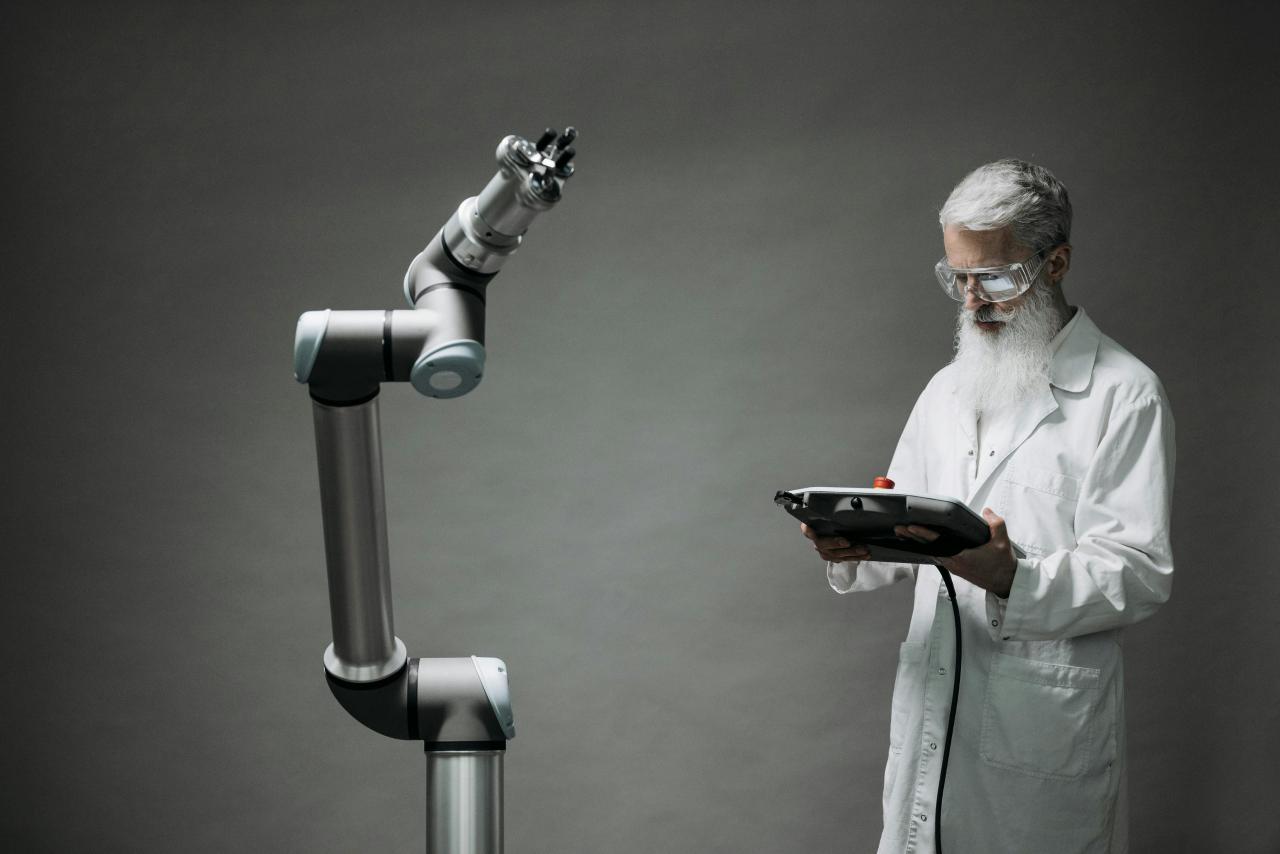
The integration of physical intelligence into the residential landscape has progressed far beyond the novelty of basic voice assistants, evolving into a sophisticated ecosystem of autonomous systems that are fundamentally restructuring the nature of domestic labor and property management.
As global capital flows increasingly toward the development of general-purpose humanoid robots and specialized spatial computing environments, the home is being reimagined not just as a shelter, but as a high-performance node within a broader intelligent network.
This technological leap into embodied intelligence represents a significant departure from the previous decade of static automation, as modern domestic agents are now capable of perceiving, learning from, and manipulating their physical surroundings with a level of dexterity that was previously restricted to advanced industrial facilities.
The convergence of high-speed local processing, low-latency edge connectivity, and advanced haptic feedback sensors allows these new robotic entities to handle delicate household tasks, from precision culinary preparation to complex waste management and energetic maintenance, with minimal human intervention.
For the modern homeowner and real estate investor, this shift necessitates a fundamental rethink of interior design and structural requirements, as homes are increasingly being outfitted with the necessary power rails, sensor arrays, and charging docks to support a 24/7 autonomous workforce. Furthermore, the rise of physical AI introduces a new layer of data-driven property valuation, where the “intelligence quotient” of a building—its ability to self-monitor structural integrity and optimize climate control autonomously—becomes a primary driver of its market desirability and long-term resale value.
We are witnessing the birth of a residential “as-a-service” model, where the physical environment itself becomes a proactive partner in the resident’s lifestyle, managing the mundane complexities of daily life to free up cognitive bandwidth for high-value professional and creative pursuits. As the cost of sophisticated robotic hardware continues to decline due to economies of scale, the adoption of physical AI is set to become a non-negotiable standard for luxury and mid-market housing developments globally.
This transformation is not merely about convenience; it is a profound economic realignment that changes how we value time, space, and the very concept of “home” in an increasingly automated world.
The Architecture of Embodied Domestic Intelligence
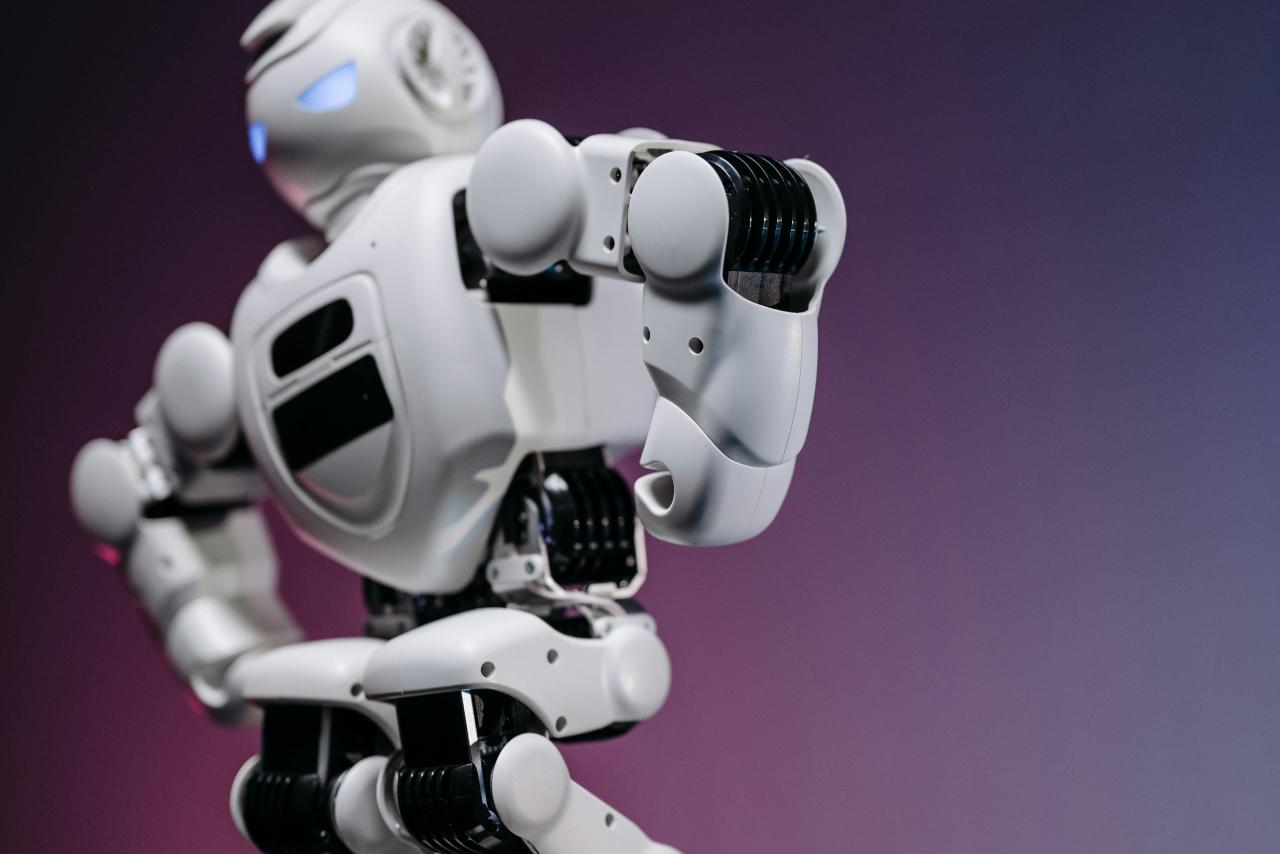
The transition toward a fully autonomous home environment requires a robust hardware foundation that goes beyond simple internet connectivity. Modern residential systems now utilize specialized spatial awareness engines to navigate and interact with complex human environments safely.
A. Spatial Mapping and Lidar Navigation Rails
B. Haptic Feedback and Precision Actuators
C. Edge Computing for Real-Time Inference
D. Distributed Sensor Arrays for Environmental Data
E. Unified Robotics Middleware Integration
By building these systems into the fabric of the house, residents can ensure that their robotic agents operate with perfect spatial accuracy. This infrastructure allows for a seamless transition between different types of domestic labor, from cleaning to complex repairs.
Autonomous Culinary Systems and Nutrition Management
The kitchen is the heart of the home, and it is also the area seeing the most significant impact from physical AI. Modern robotic chefs can now prepare restaurant-quality meals while managing the entire household’s nutritional requirements and inventory levels.
A. Automated Ingredient Inventory and Procurement
B. Precision Temperature and Texture Control
C. Dynamic Recipe Adaptation and Learning
D. Zero-Waste Food Processing Workflows
E. Integrated Appliance Communication Protocols
These systems do more than just cook; they act as health management platforms. By analyzing the caloric and nutritional content of every meal, they help residents maintain a high-performance lifestyle with minimal effort.
Structural Maintenance and Self-Healing Homes
Physical AI is now being integrated directly into the building materials and maintenance systems of modern homes. This allows the house to detect a leak, a structural crack, or a malfunctioning electrical circuit long before it becomes a major problem.
A. Internal Structural Integrity Monitoring
B. Automated Plumbing and HVAC Diagnostics
C. Robotic Exterior Maintenance and Cleaning
D. Predictive Component Failure Analysis
E. Real-Time Energy Grid Optimization
This proactive approach to maintenance preserves the long-term value of the property asset. It effectively eliminates the “surprise” costs of homeownership, making real estate a more predictable and stable investment.
Humanoid Assistants and Personal Domestic Service
The rise of general-purpose humanoid robots is the final frontier of domestic automation. These agents are designed to perform the wide variety of tasks that were previously impossible for specialized machines, such as folding laundry or tidying cluttered spaces.
A. Bipedal and Multipedal Locomotion Logic
B. Natural Language Processing for Command Execution
C. Dexterous Manipulators for Delicate Objects
D. Social and Emotional Intelligence Modules
E. Behavioral Learning via Human Observation
Humanoid robots provide a universal interface for the home. Instead of having ten different machines for ten different tasks, a single agent can move through the environment and handle everything from security to sanitation.
Energy Sovereignty and Autonomous Resource Management
Physical AI allows homes to act as independent micro-grids, managing their own power generation, storage, and consumption. This ensures that the home remains functional even during global energy price fluctuations or grid failures.
A. Predictive Solar and Battery Optimization
B. Demand Side Response for High Power Loads
C. Automated Electric Vehicle Charging Rails
D. Smart Water Harvesting and Recycling
E. Waste to Energy Conversion Systems
Managing these resources autonomously significantly lowers the monthly cost of living. It also makes the property more attractive to eco-conscious buyers and high-net-worth investors looking for long-term resilience.
Security and Surveillance through Autonomous Patrols
Traditional security cameras are reactive, but physical AI allows for a proactive and mobile security presence. Drones and robotic ground units can monitor the entire perimeter of a property and identify potential threats in real-time.
A. Multi-Platform Perimeter Patrol Logic
B. Facial and Behavioral Anomaly Recognition
C. Automated Threat Deterrence Protocols
D. Secure Communication with Local Law Enforcement
E. Encrypted Interaction Logs for Legal Evidence
This mobile security layer provides a much higher level of protection than static systems. It ensures that the residents are safe regardless of whether they are at home or traveling globally for business.
The Impact of AI on Residential Real Estate Valuation
As physical intelligence becomes standard, the way we value homes is changing. Properties that are “AI-Ready” command a significant premium over traditional homes that lack the necessary infrastructure for autonomous agents.
A. Intelligent Asset Valuation Frameworks
B. Technology Integration Premium Scoring
C. Comparative Market Analysis for Smart Homes
D. Long-Term Maintenance Cost Reduction Value
E. Future-Proofing for Next Generation Systems
Real estate developers are now prioritizing fiber-optic backbones and robust power systems in their new projects. A house that cannot support the latest robotic systems is quickly becoming as obsolete as a house without electricity.
Privacy and Sovereignty in the Autonomous Home
With cameras and sensors everywhere, protecting the privacy of the residents is a primary concern. Physical AI systems must be designed with “privacy-by-design” principles to ensure that domestic data never leaves the local network.
A. Localized Data Processing and Storage
B. End-to-End Encryption for Device Communication
C. Physical Kill-Switches for Sensor Arrays
D. Transparent Data Usage and Consent Models
E. Secure Guest and Service Access Protocols
Maintaining data sovereignty is essential for institutional-grade domestic security. It ensures that the most intimate details of a resident’s life remain completely private and under their own control.
The Future of Health and Longevity in the Smart Home
Physical AI is turning the home into a 24/7 wellness center. From smart beds that monitor sleep cycles to robotic systems that assist with physical therapy, the home is becoming a primary tool for extending human longevity.
A. Continuous Vital Sign Monitoring and Analysis
B. Automated Physical Therapy and Mobility Support
C. Precision Medication Management and Delivery
D. Environmental Optimization for Circadian Rhythms
E. Rapid Emergency Response and Triage Logic
This level of care allows elderly residents to live independently for much longer. It also provides high-performing professionals with the recovery tools they need to maintain peak mental and physical states.
Designing Spaces for Robotic Collaboration
The interior design of the future is being shaped by the needs of robotic agents. This involves wider doorways, clutter-free floors, and the integration of “robotic lanes” that allow agents to move through the house without disturbing the residents.
A. Robotic Friendly Furniture and Layouts
B. Automated Charging and Docking Stations
C. Standardized Height for Interactive Surfaces
D. Non-Slip and High-Traction Flooring Materials
E. Unified Interface Panels for Human Interaction
This collaboration between human and machine requires a new type of architectural thinking. The goal is to create a space where both biological and digital entities can thrive in harmony.
Overcoming the Barriers to Mass Adoption
While the technology is advancing rapidly, there are still challenges to overcome before every home has its own autonomous workforce. These include high initial costs, technical complexity, and the need for global standards in robotics.
A. Lowering the Total Cost of Ownership
B. Simplifying User Interfaces for All Ages
C. Establishing Universal Interoperability Standards
D. Improving Battery Density and Energy Efficiency
E. Enhancing Public Trust in Autonomous Systems
As these barriers fall, the adoption curve will accelerate. The companies that solve these challenges will be the leaders of the next industrial revolution in the residential sector.
The Economic Shift Toward Domestic Automation
The rise of physical AI is not just a lifestyle choice; it is a fundamental economic shift. By automating the low-value tasks of the home, we are unlocking trillions of dollars in human productivity that was previously wasted on chores.
A. Time Wealth and Productivity Gains
B. The Shift Toward High-Value Cognitive Labor
C. New Market Opportunities for Service Providers
D. Reduction in the Global Cost of Living
E. Long-Term Impacts on the Labor Market
This wealth of time will allow for a new era of creativity and innovation. The home, once a place of labor, is finally becoming a place of true freedom and high-performance living.
Conclusion
The integration of embodied intelligence is the most significant evolution in the history of the home. Legacy residential models are being replaced by proactive and autonomous infrastructures. Investing in an AI-ready property is the key to long-term real estate value. Robotic chefs and nutrition systems are transforming the health of the modern family. Self-healing buildings reduce the stress and cost of traditional home maintenance.
Humanoid assistants provide a universal solution for complex domestic tasks. Energy and resource sovereignty are now achievable through intelligent local management. Privacy and data security remain the foundation of a safe and modern home. The future of housing is built on a seamless partnership between humans and machines.
Technological maturity in robotics is driving a global shift in how we value time. Homes are evolving from passive structures into active participants in our daily lives. The economic impact of domestic automation will reshape the global labor market forever. Ultimately, the goal of physical AI is to create an environment that supports our highest potential. Mastering this new residential landscape is the definitive requirement for the digital age.

