


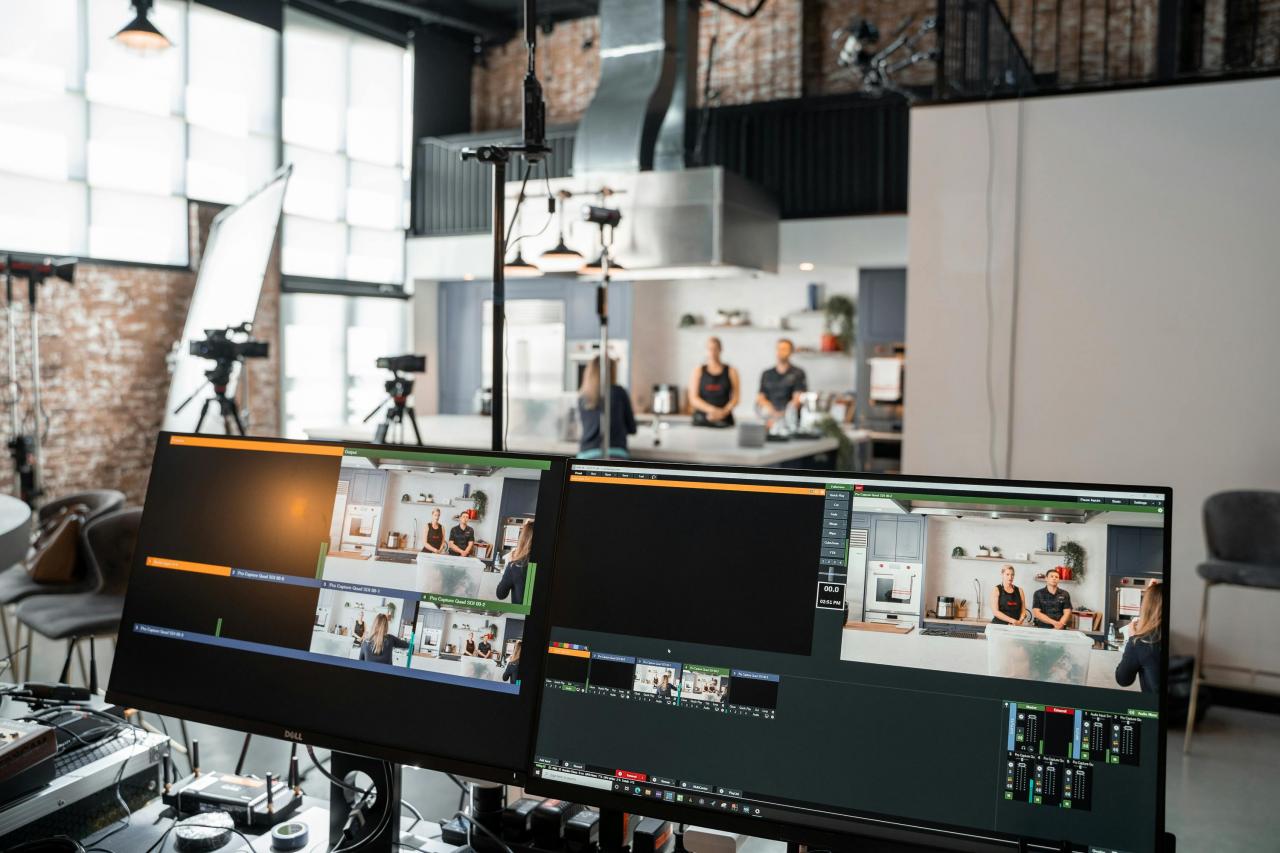
The landscape of high-fidelity visual storytelling has undergone a seismic shift, moving away from the era of cumbersome equipment and toward a streamlined, agile methodology that prioritizes immediate creative mobility without sacrificing professional-grade output quality.
As global media consumption patterns increasingly favor high-definition video and hyper-realistic photography across social and institutional platforms, the demand for compact imaging solutions that can rival the sensor performance of traditional full-frame systems has reached an all-time high. Modern content creators are no longer willing to be tethered to massive studio rigs or heavy backpacks, instead seeking out pocketable powerhouses that utilize advanced computational photography, high-bitrate video internal recording, and superior optical glass.
This technological evolution represents a definitive departure from the “point-and-shoot” legacy, as contemporary compact units now feature large one-inch or even APS-C and full-frame sensors capable of capturing immense dynamic range and depth of field. The convergence of artificial intelligence-driven autofocus, real-time subject tracking, and sophisticated internal stabilization allows creators to produce cinematic results in environments ranging from low-light urban settings to fast-paced travel documentaries.
Furthermore, the integration of professional audio inputs, rotatable high-brightness displays, and rapid data transfer interfaces ensures that the entire production workflow remains as efficient as the camera itself. For the strategic professional, investing in a high-tier compact system is not merely about convenience; it is about building a versatile creative arsenal that can capture spontaneous, high-value moments with the same technical precision as a dedicated cinema camera.
We are witnessing the birth of a “mobile-first” professional standard, where the quality of the lens and the speed of the processor are the primary drivers of digital influence and commercial success. As the cost of high-performance optics continues to be offset by the massive returns on high-quality engagement, the adoption of these specialized tools has become a non-negotiable requirement for anyone serious about dominating the competitive attention economy.
Ultimately, the successful deployment of a compact professional camera represents the perfect synergy between engineering excellence and creative freedom, promising a future where the only limit to content production is the imagination of the operator.
Core Advantages of Small Form Factor Imaging
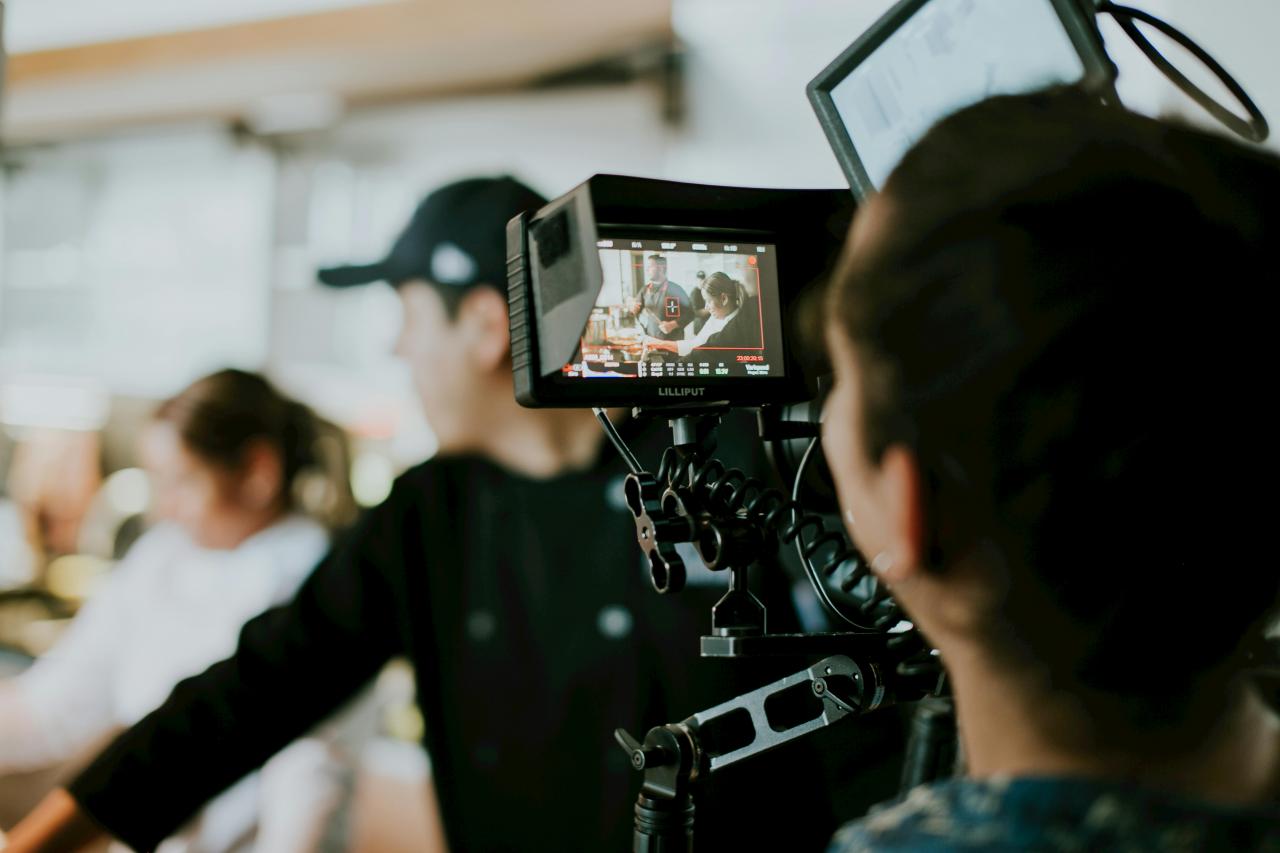
The shift toward smaller bodies does not mean a compromise in technical specifications. Advanced manufacturing techniques allow for the inclusion of massive sensors and fast apertures in bodies that fit in a jacket pocket.
A. Large Format Sensor Integration
B. Fast Prime and Zoom Optical Rails
C. Advanced Heat Dissipation Frameworks
D. Customizable Physical Control Interfaces
E. Hybrid Phase Detection Autofocus Engines
By utilizing these core features, creators can maintain a high level of technical consistency across all their projects. This infrastructure provides the necessary foundation for producing professional results while remaining completely inconspicuous in public spaces.
High Fidelity Video Capabilities for Solo Creators
Modern compact units are now capable of internal 10-bit recording and high-frame-rate slow motion. This allows for extensive color grading and cinematic manipulation in post-production, a feature previously reserved for expensive cinema rigs.
A. Internal Log Gamma Profile Support
B. High Bitrate 4K and 8K Capture
C. Active Electronic and Optical Stabilization
D. Unlimited Recording Time via Thermal Management
E. Professional Audio Monitoring and Input Rails
These video features ensure that the final output meets the rigorous standards of premium streaming platforms. This capability is essential for creators who need to deliver top-tier commercial work on a tight schedule.
The Role of Computational Photography and AI
Artificial intelligence is now working behind the scenes to enhance the raw data captured by the sensor. From real-time eye tracking for pets and humans to automated skin tone optimization, the camera acts as an intelligent assistant.
A. Real Time Deep Learning Subject Tracking
B. Automated Scene Recognition and Optimization
C. Intelligent Dynamic Range Expansion
D. Computational Bokeh and Depth Mapping
E. Multi Frame Noise Reduction Logic
Using these AI tools reduces the time spent on manual adjustments and editing. It allows the creator to focus on the narrative and composition while the machine handles the complex mathematical exposure calculations.
Ergonomics and Interface Design for Speed
A professional camera must be an extension of the creator’s hand, allowing for instant changes to exposure and focus. The best compact systems feature intuitive layouts and high-resolution touchscreens for rapid navigation.
A. Programmable Function Buttons and Dials
B. High Definition Tilt and Flip Displays
C. Tactile Control Rings for Manual Focus
D. Weather Sealed Chassis for Outdoor Use
E. Intuitive Menu Systems and Touch Gestures
Effective ergonomics prevent the frustration of missing a shot due to complex menus. When the interface is seamless, the creative process becomes much more fluid and productive.
Lens Quality and Optical Precision
The glass in front of the sensor is the most critical component for achieving that “professional look.” High-tier compacts often feature fixed prime lenses or high-quality zooms developed by world-renowned optical engineers.
A. Aspherical Element and Low Dispersion Glass
B. Wide Maximum Apertures for Shallow Depth
C. Multi Layer Anti Reflective Coatings
D. Circular Aperture Blades for Smooth Bokeh
E. Close Focus and Macro Photography Capability
Optical precision ensures that the images are sharp from corner to corner with minimal distortion. This level of clarity is vital for high-resolution printing and large-scale digital displays.
Ecosystem Connectivity and Workflow Integration
A camera is only as good as its ability to move files into the hands of the editor or onto the internet. Modern systems feature high-speed wireless and wired connections for immediate data transfer.
A. High Speed Wireless Data Transmission
B. Professional USB-C Charging and Transfer
C. Secure Cloud Backup and Syncing Rails
D. Smartphone Integration and Remote Control
E. Universal Accessory Mounts and Cold Shoes
This connectivity allows for a nearly instantaneous workflow from capture to publication. It is the perfect solution for news, social media, and time-sensitive commercial projects.
Low Light Performance and Dynamic Range
One of the biggest hurdles for small cameras has traditionally been poor performance in the dark. New sensor technologies like back-illuminated designs have changed this, allowing for clean images at high ISO settings.
A. Back Illuminated Sensor Architecture
B. Dual Native ISO Sensitivity Rails
C. Wide Latitude for Shadow Recovery
D. Advanced Long Exposure Noise Reduction
E. High Performance Electronic Viewfinders
These features allow creators to shoot in challenging environments without the need for massive lighting setups. This “available light” photography style is highly sought after for its natural and authentic feel.
Portability as a Strategic Creative Advantage
The best camera is the one you have with you, and a compact professional system is more likely to be used daily. This leads to more content, more practice, and ultimately a more successful creative career.
A. Reduced Physical Fatigue During Long Shoots
B. Lower Profile for Street and Documentary Work
C. Ease of Travel and International Logistics
D. Ability to Mount on Small Gimbals and Drones
E. Discretion in Sensitive or Crowded Locations
Being able to blend into the crowd allows for more candid and powerful storytelling. It removes the “observer effect” where subjects act differently in the presence of a large, intimidating camera.
Durability and Professional Build Quality
A professional tool must be able to withstand the rigors of daily use in various weather conditions. Modern compacts are built using magnesium alloy and high-quality seals to ensure longevity.
A. Magnesium Alloy Internal Structures
B. Dust and Moisture Resistance Gaskets
C. Scratch Resistant Screen and Body Coatings
D. Robust Lens Retraction and Protection Logic
E. Long Cycle Battery and Memory Life
Investing in a well-built camera reduces the long-term cost of ownership by minimizing repairs. It provides the reliability needed for professional assignments where failure is not an option.
The Future of Compact Imaging Technology
We are on the verge of even greater breakthroughs in sensor design and lens miniaturization. Technologies like global shutters and curved sensors are set to revolutionize what a pocket-sized camera can do.
A. Global Shutter for Distortion Free Motion
B. Curved Sensor for Edge to Edge Sharpness
C. Transparent Organic Sensor Research
D. Integrated Satellite Connectivity for Media
E. Liquid Lens Technology for Instant Focus
Staying ahead of these trends is essential for any professional who wants to remain at the cutting edge of the industry. The future of photography is small, fast, and incredibly intelligent.
Customization and Personal Creative Profiles
The ability to “tune” a camera to a specific aesthetic is a major draw for professional creators. Advanced compacts allow for deep customization of color science and processing styles.
A. Custom In-Camera Color Grading Recipes
B. User Defined Preset Banks for Quick Switching
C. Professional Picture Profile Standardization
D. Adjustable Sharpness and Contrast Curves
E. Personalized Overlay and Grid Systems
This customization ensures that every image coming out of the camera fits the creator’s unique brand. It reduces the need for heavy color grading in post-production and creates a consistent look.
Strategic Capital Allocation for Content Gear
Choosing the right camera is a business decision that requires a balance between cost and potential revenue. A professional compact camera often provides the best return on investment due to its versatility and high resale value.
A. Cost Per Project Efficiency Analysis
B. Secondary Market Value and Resale Potential
C. Tax Benefits for Professional Equipment
D. Minimal Secondary Accessory Requirements
E. Long Term Firmware Support and Updates
When viewed as a tool for revenue generation, the price of a high-end compact becomes a strategic investment. It is the engine that powers the creation of high-value digital assets.
Conclusion
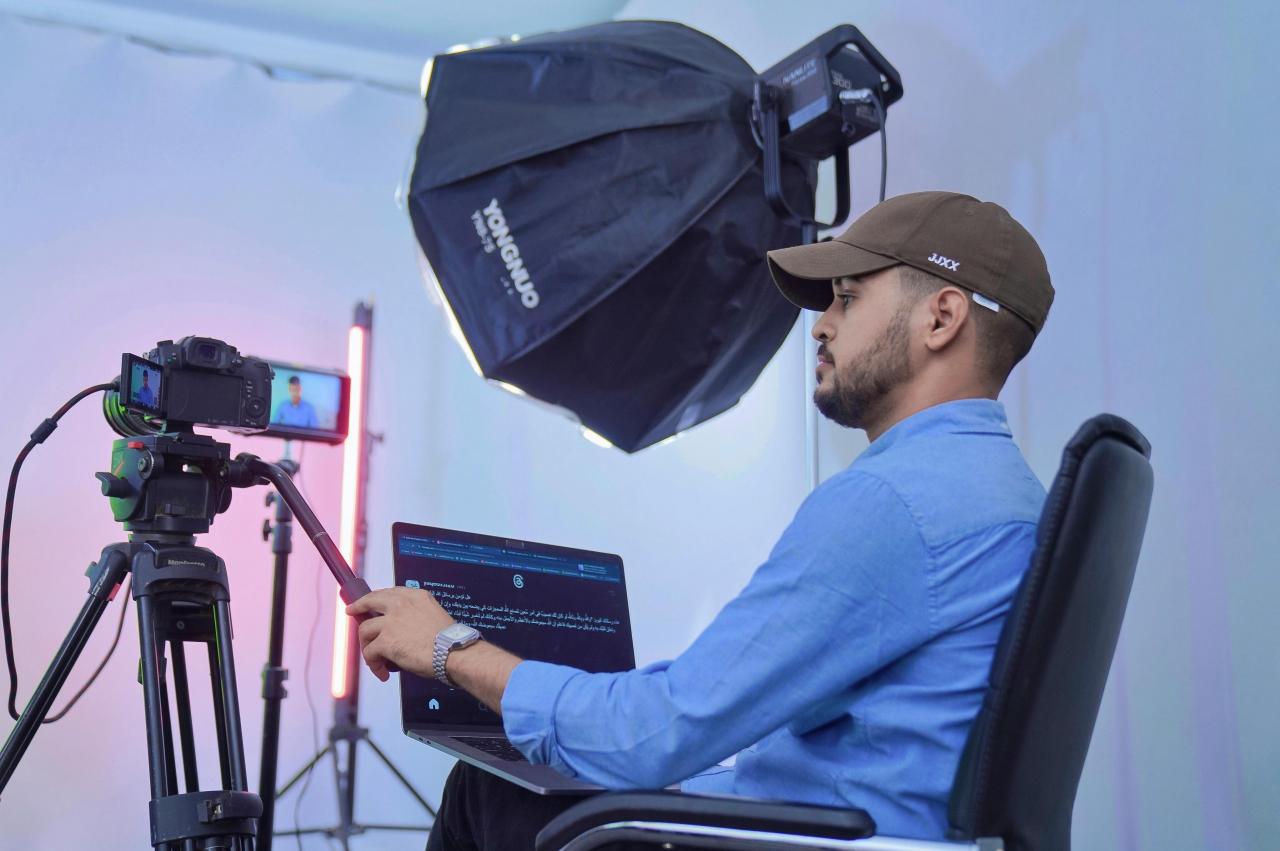
The evolution of compact professional cameras has redefined the limits of mobile storytelling. Legacy equipment is no longer a requirement for achieving broadcast-quality results. Investing in a high-performance compact system is a strategic move for any creator. The combination of a large sensor and fast glass creates a professional aesthetic.
Artificial intelligence simplifies the technical process, allowing for more focus on creativity. Ergonomic design ensures that the camera remains a seamless extension of the user. Connectivity features allow for a rapid and efficient digital production workflow. Low light capabilities have opened up new possibilities for natural light photography. Portability allows for candid storytelling that traditional cameras cannot capture.
Durability ensures that your investment is protected during intense professional use. The future of imaging technology promises even more power in smaller packages. Customization allows creators to maintain a unique and consistent visual brand. Choosing the right gear is a fundamental step toward long-term commercial success. Ultimately, the best tool is the one that empowers you to tell your story without limits.

