



The strategic transition toward regenerative infrastructure represents a sophisticated pivot for institutional-grade asset management, where biological systems are engineered to function as high-performance capital. When large-scale organizations deploy these advanced systems, they move beyond the limitations of traditional sustainability and enter the realm of true ecological wealth creation. This process demands a rigorous synthesis of precision hydrology, soil science, and renewable energy to construct a closed-loop production environment that generates massive surplus.
Unlike extractive industrial models, regenerative infrastructure builds “living equity” by enhancing the intrinsic value of the land through carbon sequestration and nutrient density. Every component within such a system is designed to perform multiple roles, ensuring that energy is captured and recycled with maximum efficiency. This methodology aligns perfectly with global demand for verifiable ESG assets, providing a stable hedge against market volatility and resource scarcity.
By viewing the landscape as a dynamic balance sheet, enterprise-level managers can optimize the internal rate of return while restoring the health of the local watershed. The goal is to establish a resilient framework where the outputs of one system become the inputs for another, virtually eliminating waste and overhead. This approach requires deep technical expertise and a commitment to long-term site observation, allowing natural patterns to dictate the most efficient paths for production. Ultimately, those who master the deployment of these systems secure a dominant position in the future green economy, where profit and restoration are inextricably linked.
Optimize Site Design for Maximum Capital Appreciation
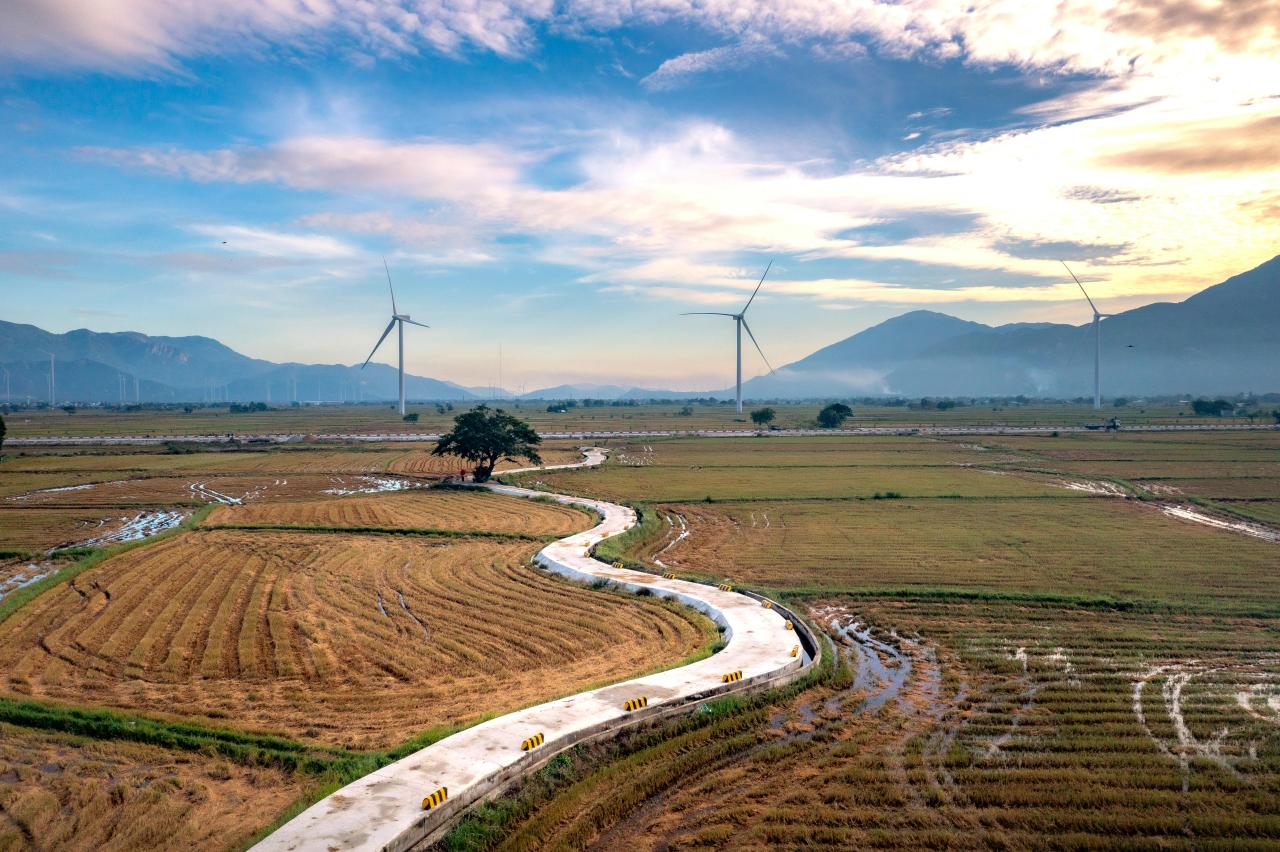
The foundation of any high-yield regenerative asset begins with a comprehensive analysis of the physical landscape and its energetic inputs. This involves mapping topographical features to ensure that water, the primary driver of all biological wealth, is managed with absolute precision.
Effective site design utilizes gravity to distribute resources, which significantly lowers the operational costs associated with mechanical pumping. A well-planned infrastructure ensures that every structure and planting contributes to the overall stability and productivity of the estate.
A. Master Plan for Hydrological Balance and Water Capture
B. Sector Analysis to Harness Solar and Wind Energy
C. Zonal Layout for Streamlined Enterprise Logistics
By establishing a strong structural base, the land manager creates a permanent asset that appreciates as the ecosystem matures. These improvements represent a one-time capital expenditure that pays dividends in reduced maintenance for decades.
Build Soil Health as a Living Bank Account
Soil health is the most critical metric for any enterprise focused on high-margin agricultural or timber yields. Advanced regenerative systems utilize microbial inoculation to build complex soil food webs that act as a natural delivery mechanism for plant nutrients.
This process transforms inert dirt into a rich, carbon-sequestering sponge that holds vast quantities of water and minerals. Increasing soil organic matter by even a small percentage can lead to exponential gains in crop resilience and caloric output.
A. Deploy Aerobic Compost Systems for Microbial Diversity
B. Utilize Cover Crop Protocols for Nitrogen Fixation
C. Implement Biochar Integration for Permanent Carbon Storage
A healthy soil profile reduces the need for expensive chemical inputs and synthetic fertilizers. This biological efficiency is the cornerstone of a profitable and sustainable off-grid business model.
Integrate Perennial Systems for Passive Yield Generation
Annual farming requires constant labor and reinvestment, but perennial systems offer a more stable and passive return on investment. By planting diverse food forests and nut groves, the enterprise secures a multi-generational harvest with declining labor costs.
These systems utilize vertical stacking to maximize the productivity of every square foot of land. The result is a high-density production environment that yields specialty timber, fruits, nuts, and medicinal herbs simultaneously.
A. Design Multi-Tiered Canopies for Maximum Photosynthesis
B. Select High-Value Hardwoods for Long-Term Timber Equity
C. Integrate Shrub Layers for Early-Stage Cash Flow
As these perennial assets mature, they become more resilient and productive each year. They provide a reliable harvest that is less susceptible to the market fluctuations of annual commodity crops.
Harness Advanced Water Harvesting for Total Autonomy
Water security is the ultimate prerequisite for institutional-grade land management in an era of climate instability. High-yield systems utilize earthworks to slow and sink rainwater directly into the local aquifer.
Supplementing this with high-capacity storage tanks ensures that the enterprise remains productive even during extended periods of drought. This level of water independence is a major competitive advantage for large-scale rural developments.
A. Construct Precision Swales and Keyline Ponds
B. Implement Greywater Filtration for On-Site Reuse
C. Deploy Solar Drip Irrigation for Targeted Hydration
By treating water as a recirculating currency, the landowner ensures the survival of high-value crops and livestock. This hydrological resilience is a key factor in the long-term appraisal of the property.
Deploy Renewable Energy Microgrids for Industrial Use
To achieve total operational autonomy, an off-grid estate must produce its own energy for processing and climate control. A robust microgrid combines solar, wind, and battery storage to provide a constant and reliable power supply.
This energy independence allows for the on-site processing of raw materials into finished, value-added products. By controlling the entire supply chain, the enterprise captures a larger share of the final market price.
A. Install High-Efficiency Solar Arrays with Smart Tracking
B. Implement Battery Banks for 24-Hour Power Redundancy
C. Utilize Biomass Digesters for Methane Energy Capture
A reliable energy infrastructure supports the use of modern technology, from cold storage to automated harvesting equipment. This moves the regenerative model from a simple homestead into a high-tech industrial operation.
Manage Livestock for Biological Ecosystem Services
Animals are essential partners in a regenerative system, performing the work of mowers, tillers, and fertilizers. When managed through intensive rotation, livestock improve the health of the pasture while producing high-value protein.
This method mimics the natural movements of wild herds, preventing overgrazing and stimulating rapid plant growth. The result is a superior product that commands a premium in the market for organic and grass-fed goods.
A. Protocol for Managed Intensive Rotational Grazing
B. Mobile Infrastructure for Integrated Poultry Sanitation
C. Silvopasture Design for Shade-Grown Forage Quality
By utilizing animals for ecosystem services, the enterprise eliminates the need for fossil-fuel-powered machinery. This further reduces the carbon footprint and operational overhead of the land.
Diversify Revenue Streams via Surplus Management
A successful regenerative enterprise is designed to produce a massive surplus of biological material and data. This surplus can be monetized through various channels, from seed sales and nursery stock to educational consulting.
Diversification protects the business against localized crop failures or specific market downturns. By selling a mix of raw goods, value-added products, and professional services, the enterprise ensures a steady flow of capital.
A. Propagate Rare and Resilient Plant Genetics for Sale
B. Develop Artisanal Brands for Processed Goods
C. Offer Technical Consulting for Large-Scale Land Design
Capturing the value of the system’s surplus is the final step in achieving financial independence. It transforms the land from a cost center into a diverse and profitable portfolio.
Future-Proof the Asset through Genetic Biodiversity
Biodiversity is the ultimate form of risk management for any large-scale land project. By maintaining a wide range of species, the system creates a natural balance that protects against pests and disease.
Investing in rare and heirloom genetics also provides a unique marketing position that attracts high-value buyers. These unique varieties are often more nutritious and flavorful than standard commercial crops.
A. Preserve Heirloom Seeds for Climate Adaptability
B. Create Habitat Corridors for Natural Pest Control
C. Implement Diverse Buffers to Protect Core Yields
A biodiverse landscape is a stable and resilient landscape. This stability is essential for maintaining the value of institutional-grade investments over the long term.
Conclusion
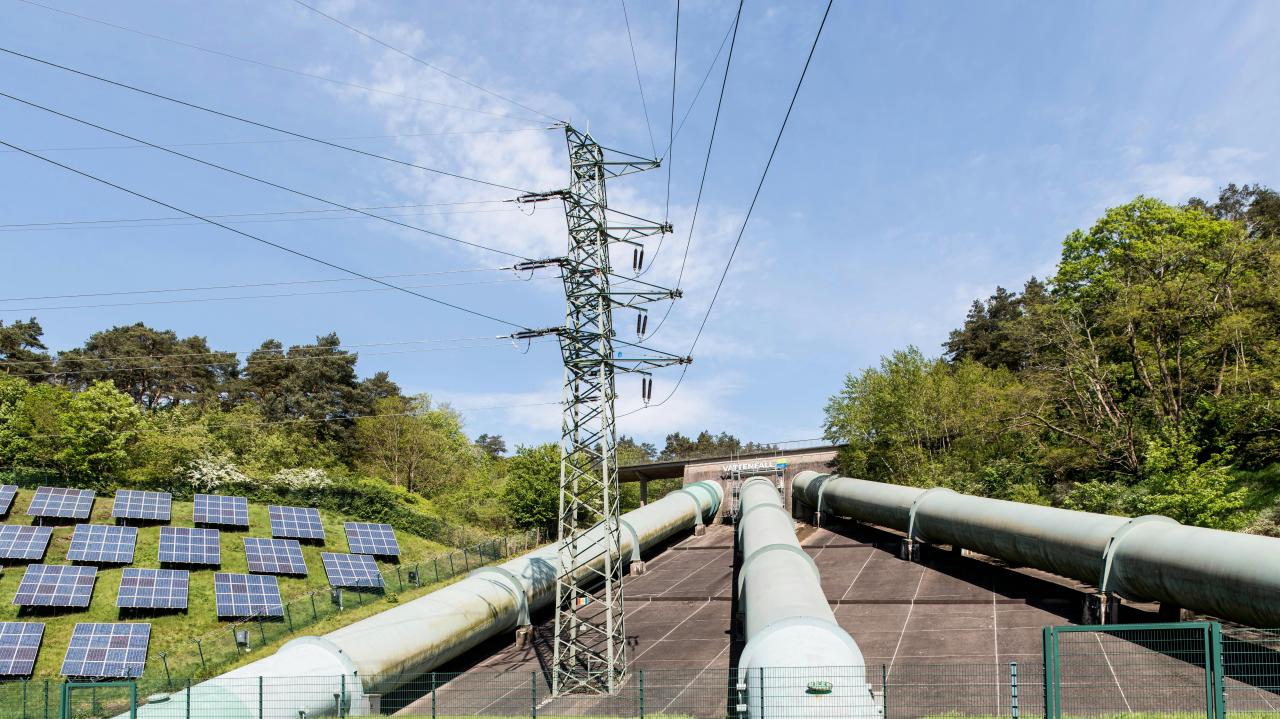
Precision design is the first step toward a successful regenerative enterprise. Every system must be engineered to work in harmony with natural cycles. Financial success depends on the continuous improvement of biological capital. True wealth is the ability to produce essential resources without external inputs.
Water security and soil health are the foundation of all land-based assets. Renewable energy provides the autonomy needed for modern industrial production. Diversified revenue streams protect the business from market volatility. Biodiversity ensures the long-term stability and resilience of the ecosystem. Stewardship of the land is the highest form of professional management. The future of investment lies in systems that restore the planet.

