


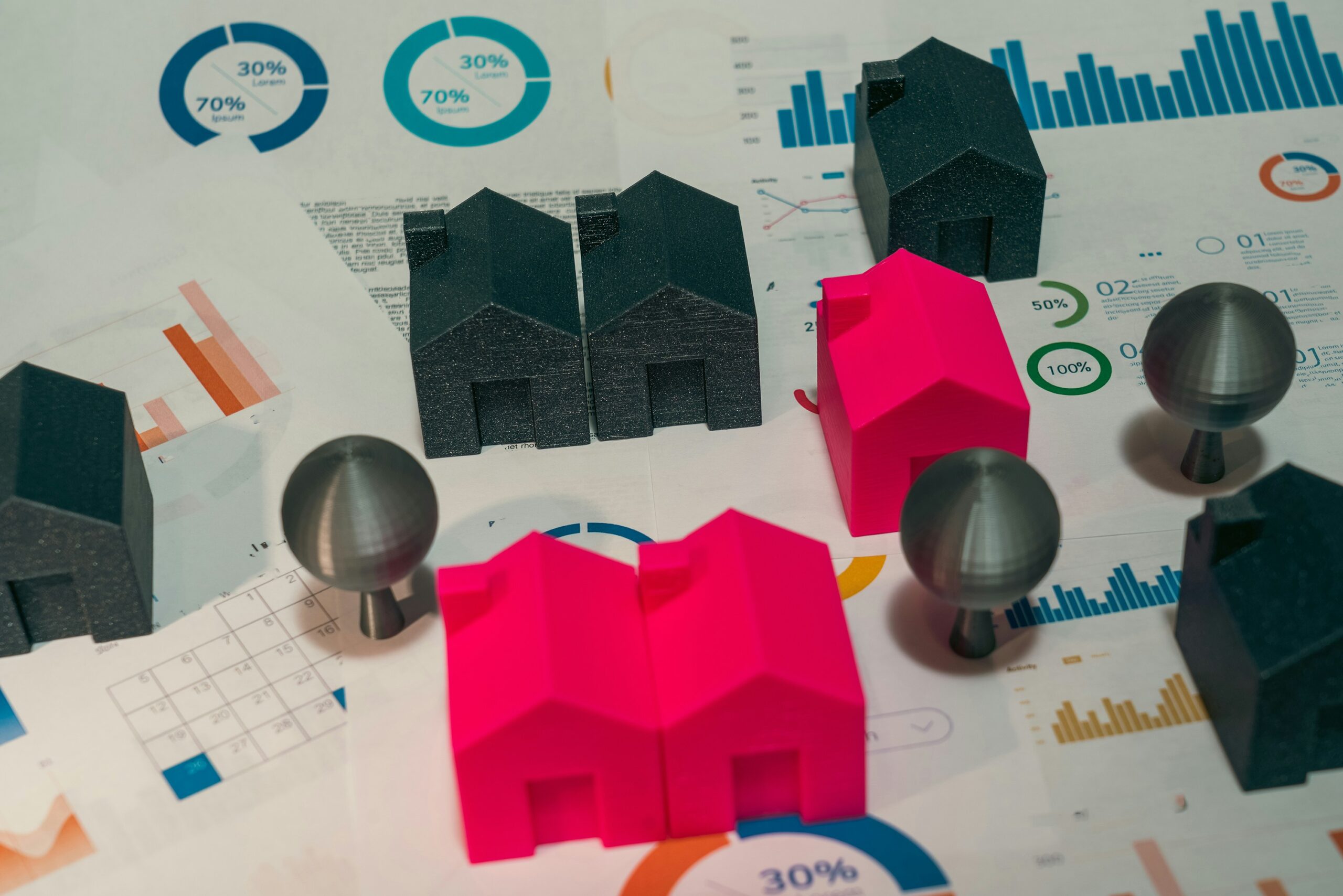
The integration of regenerative agroforestry into a modern investment portfolio represents the pinnacle of institutional-grade ecological asset management, moving far beyond traditional agricultural practices into a realm where biological systems function as high-performing capital. When we analyze the mechanics of maximizing asset value through these systems, we are essentially discussing the creation of a multi-tiered, self-replicating financial engine that utilizes solar energy, carbon sequestration, and hydrological restoration to compound its intrinsic worth over time.
Unlike conventional monoculture, which relies on heavy external inputs and suffers from rapid land degradation, regenerative agroforestry builds “living equity” by enhancing the soil’s microbial diversity and structural integrity, thereby increasing the property’s long-term appraised value. This transition involves a sophisticated synthesis of silvopasture, alley cropping, and forest farming techniques designed to provide high-margin yields across multiple timelines, ranging from annual specialty crops to high-value hardwood timber.
Investors and large-scale landowners must view the landscape not as a static resource to be extracted, but as a dynamic biological balance sheet where every tree planted serves as a capital improvement project with quantifiable returns in ecosystem services. By capturing atmospheric carbon and converting it into soil organic matter, these enterprises satisfy the growing global demand for verifiable ESG (Environmental, Social, and Governance) assets while providing a robust hedge against the volatility of traditional commodity markets.
Navigating the complexities of such a system requires a deep understanding of niche microclimates, species interaction, and the implementation of advanced microgrids to power decentralized processing facilities. Ultimately, the objective is to establish a closed-loop production model where waste is virtually eliminated, water is treated as a precious recirculating currency, and the biodiversity of the site acts as a biological defense mechanism against pests and climate-related risks. Those who successfully deploy these enterprise-level solutions find themselves at the forefront of a new era of wealth creation, where the most profitable assets are those that actively heal the planet.
The Fundamental Thesis of Biological Capital Improvements

To maximize the valuation of any rural or semi-rural land asset, one must first implement a rigorous topographical and hydrological assessment to identify latent potential. This baseline data allows for the design of water-harvesting earthworks that turn a dry landscape into a high-capacity sponge, significantly lowering irrigation overhead.
Strategic placement of keyline dams and swales ensures that every drop of rainfall is utilized to its maximum potential before leaving the property. This foundational infrastructure creates a stable environment for high-value perennial crops to thrive regardless of seasonal fluctuations.
A. Implementing Precision Keyline Design for Hydrological Balance
B. Utilizing Advanced Lidar Mapping for Microclimate Identification
C. Developing Subsurface Drainage Systems for Aerobic Soil Health
By establishing this structural skeleton, the landowner transforms the property into a resilient production platform. These improvements are permanent and contribute directly to the “replacement cost” value of the land in professional appraisals.
Alley Cropping as a Cash-Flow Optimization Strategy
Alley cropping involves the cultivation of high-value annual or short-term perennial crops between widely spaced rows of long-term timber or nut trees. This specialized technique allows for immediate revenue generation while the primary biological assets—the trees—mature toward their peak value.
The wide alleys provide ample space for mechanical harvesting, ensuring that labor costs remain competitive with conventional farming. Furthermore, the tree rows act as windbreaks and nutrient pumps, increasing the nutrient density and market price of the intercropped products.
A. Integration of High-Value Specialty Grains and Legumes
B. Cultivation of Medicinal Herbs with High Market Demand
C. Implementation of Managed Forage for Supplemental Income
This multi-dimensional approach ensures that the land is never idle, maximizing the “internal rate of return” for the project. It effectively bridges the gap between the initial investment and the long-term harvest of the timber canopy.
Enhancing Timber Quality through Silvopasture Integration
Silvopasture is the intentional combination of trees, forage, and livestock in a managed system that increases the health of all three components. By allowing livestock to graze beneath a managed canopy, the landowner eliminates the cost of chemical fertilizers and mechanical weeding.
The animals provide a constant source of natural manure, which accelerates tree growth and improves timber density. In return, the shade provided by the trees reduces heat stress in the animals, leading to higher weight gains and superior protein quality.
A. Rotational Grazing Protocols for Optimal Soil Compaction
B. Selection of Hardwood Species for High-Value Veneer Production
C. Integration of Shade-Tolerant High-Protein Forage Varieties
This synergy results in a premium product that appeals to boutique butchers and high-end furniture makers alike. The dual-purpose nature of the land significantly reduces the “cost of goods sold” (COGS) for the enterprise.
Carbon Sequestration as a Verifiable Financial Instrument
Modern agroforestry systems are among the most effective tools for removing carbon dioxide from the atmosphere and storing it in the soil and biomass. For an institutional landowner, this carbon represents a secondary asset that can be monetized through high-integrity credit markets.
By utilizing regenerative protocols, a property can sequester several tons of carbon per acre annually. This provides a transparent and verifiable way to enhance the “green” credentials of a corporate portfolio while generating passive income.
A. Implementing Rigorous Soil Carbon Baseline Testing
B. Utilizing Satellite Monitoring for Biomass Quantification
C. Engaging with Premium Carbon Credit Verification Standards
As the global price of carbon continues to rise, these biological credits become a vital hedge. This turns environmental stewardship into a direct contributor to the annual bottom line.
High-Margin Yields from Forest Farming and Specialty Crops
The interior of a maturing agroforestry system offers a unique, shaded environment perfect for forest farming. This involves growing high-value crops like ginseng, gourmet mushrooms, or shade-grown coffee that require specific light conditions and rich forest soils.
These crops often command much higher prices per pound than standard field crops due to their rarity and specialized growing requirements. They utilize the “vertical space” of the system, adding layers of profit without increasing the land footprint.
A. Cultivation of Mycelium-Based Products for Local Markets
B. Production of Organic Medicinal Roots and Botanicals
C. Implementation of High-Density Berry and Shrub Layers
By diversifying into these niche markets, the enterprise reduces its exposure to commodity price crashes. It creates a “boutique” brand image that attracts premium buyers and long-term contracts.
Advanced Water Harvesting and Precision Irrigation
In an era of increasing water scarcity, the ability to store and distribute water efficiently is a major competitive advantage. Regenerative agroforestry uses the biological structure of the soil to act as a massive underground reservoir.
Supplementing this with solar-powered precision irrigation ensures that high-value trees receive the exact amount of moisture needed for optimal growth. This technological integration reduces water waste by up to 90% compared to traditional flood irrigation.
A. Solar-Powered Smart Sensors for Soil Moisture Monitoring
B. Ferrocement Water Storage for High-Volume Backup
C. Gravity-Fed Drip Systems for Reduced Energy Consumption
Efficient water management protects the asset during extreme weather events. It ensures the continuity of production and protects the long-term health of the biological capital.
Renewable Energy Microgrids for On-Site Processing
To capture the maximum value of the harvest, an enterprise should perform as much on-site processing as possible. This requires a stable and affordable energy source, which is best provided by a decentralized renewable microgrid.
Solar arrays, wind turbines, and biomass energy can power cold storage, drying facilities, and packaging lines. This autonomy reduces the logistical risks associated with transporting raw goods to distant facilities.
A. Implementation of Hybrid Solar and Battery Storage Systems
B. Utilization of Agricultural Waste for Bioenergy Production
C. Development of High-Efficiency Cold Chain Infrastructure
By controlling the processing phase, the landowner can sell a finished, branded product rather than a raw commodity. This “vertical integration” is the key to achieving high-margin profitability in the regenerative space.
Risk Mitigation through High Biodiversity
Monoculture is inherently fragile and susceptible to catastrophic failure from single-species diseases or pests. A regenerative agroforestry system uses biodiversity as a form of biological insurance to protect the asset.
By planting a wide variety of species, the system creates a natural balance where predatory insects control pests. This eliminates the need for expensive and toxic chemical pesticides, further reducing operating costs.
A. Selection of Native Species for Evolutionary Resilience
B. Integration of Pollinator Habitats to Boost Yields
C. Development of Diverse Windbreaks and Wildlife Corridors
Stability is a key metric for institutional investors, and a biodiverse system is far more stable than a conventional farm. This reduced risk profile justifies a lower capitalization rate and a higher overall property valuation.
Future-Proofing Assets via Genetic Diversity
The selection of superior genetics for both trees and livestock is essential for long-term success. High-performing cultivars that are adapted to specific local conditions will outperform standard commercial varieties in a regenerative system.
Investing in rare, heritage, or improved varieties creates a “genetic bank” that increases in value as the species become more desirable. This provides a unique marketing angle for the sale of seeds, nursery stock, and breeding animals.
A. Establishing On-Site Nurseries for Acclimatized Cultivars
B. Selecting Livestock Breeds with High Foraging Efficiency
C. Preservation of Heirloom Genetics for Niche Market Appeal
Owning the source of the genetics provides an additional layer of intellectual property and market control. It ensures that the system can be replicated or expanded with consistent results.
Scaling the Regenerative Model for Global Markets
Once a successful pilot project has been optimized, the model can be scaled across thousands of acres to attract institutional capital. Large-scale agroforestry projects can provide the volume required to enter global supply chains for sustainable timber and food.
Collaborating with neighboring landowners can create “agroforestry clusters” that share processing facilities and marketing costs. This cooperative approach increases the economic power of the regenerative movement as a whole.
A. Development of Regional Processing and Distribution Hubs
B. Standardizing Certification Protocols for International Trade
C. Utilizing Blockchain for Transparent Supply Chain Tracking
Scaling the model allows for significant economies of scale and professional management. It moves regenerative living from a niche lifestyle choice to a dominant force in the global economy.
Conclusion

Maximizing asset value through regenerative agroforestry is a strategic decision for the modern investor. Every acre of land holds the potential to become a high-yield biological engine. The integration of trees and crops creates a resilient system that compounds in value over time. Financial success in this field requires a long-term vision and a commitment to ecological health.
Soil organic matter is the most reliable currency for future food security and land productivity. By reducing external inputs, you increase the net profit margin of every harvest. Water management and renewable energy are the twin pillars of off-grid enterprise stability. Biodiversity acts as a natural insurance policy against the uncertainties of a changing climate. The global demand for high-integrity, sustainable products is only beginning to grow. True wealth is found in the stewardship of systems that give back more than they take.

