


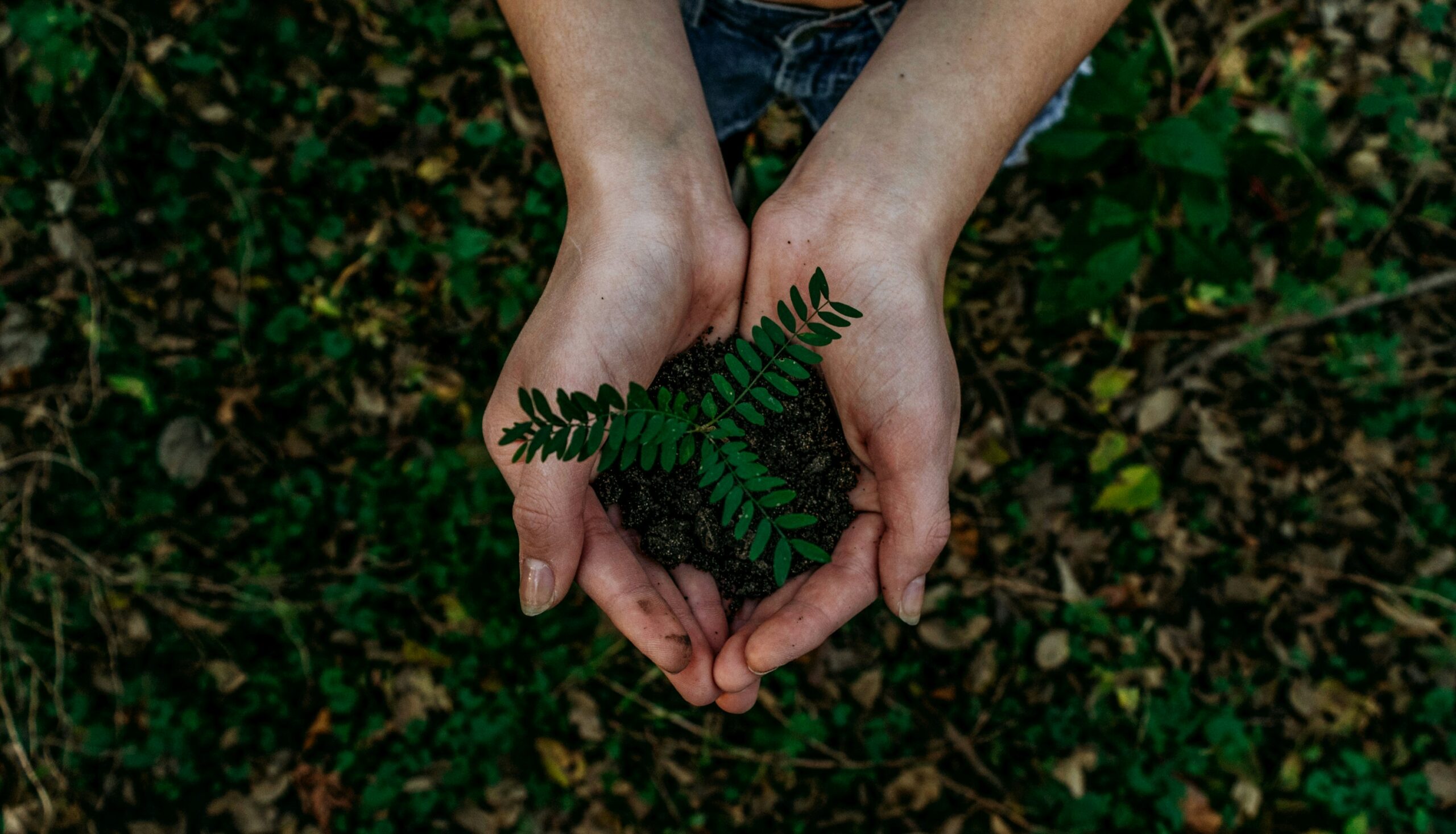
Embracing a regenerative lifestyle is no longer just a trend for environmental activists but a vital necessity for our global survival. For many decades, the world focused on rapid industrial growth while ignoring the long-term impact on our delicate natural ecosystems.
We are now entering a critical era where every individual choice contributes to the restoration or the further decline of our planet. This evolution means that sustainability has moved from the fringes of society into the heart of our daily routines and household decisions.
Modern regenerative living goes beyond just “doing less harm” and focuses on actively repairing the earth through mindful consumption and waste reduction. By adopting these eco-friendly strategies, you can significantly reduce your carbon footprint while improving your personal health and financial savings.
This article explores the essential pillars of a sustainable lifestyle and how you can start your green journey starting this morning.
You will discover the practical secrets that turn a wasteful modern existence into a meaningful and planet-positive way of living. Let us explore the best path toward a more resilient and vibrant future for you and the generations to come.
Success in the world of green living depends on your ability to make small, consistent changes that eventually lead to a massive collective impact. From mastering the art of zero-waste shopping to understanding the benefits of renewable home energy, the depth of sustainable habits is truly vast.
You do not need to live off the grid or give up all modern comforts to become a powerful steward of the environment. This guide breaks down complex environmental concepts into easy and actionable tasks that you can perform starting this very afternoon.
We will show you how to identify the most effective green tools that offer the highest utility and the lowest environmental cost. You will discover why “circular consumption” is the most important skill you can learn to protect our natural resources for the future.
The goal is to build a lifestyle where your daily actions naturally support the health of the soil, the water, and the air. Join us as we decode the art of regenerative living and help you master your journey toward total environmental harmony.
Let us explore the best ways to nourish the planet while you pursue your biggest and most exciting life goals.
Building A Nutritious And Regenerative Home Garden
Growing your own food is one of the most direct ways to take control of your health and reduce your reliance on industrial agriculture. In the past, people viewed gardening as a difficult chore or a hobby for those with large backyards and plenty of free time.
Now, savvy urban dwellers use vertical planters and hydroponic systems to grow fresh herbs and vegetables on small balconies or even in sunny kitchens. Regenerative gardening focuses on building healthy soil using organic compost instead of relying on harmful chemical fertilizers and pesticides.
It is a fundamental shift toward a “closed-loop” system where your kitchen scraps become the nutrients for your next healthy meal.
A. Starting a small compost bin to turn your fruit peels and vegetable ends into rich, black soil for your indoor and outdoor plants.
B. Planting native flowers and shrubs that provide a vital sanctuary for local bees, butterflies, and other essential pollinating insects.
C. Collecting rainwater in barrels to use for your garden, which reduces your water bill and saves the local municipal supply.
D. Using organic mulch to cover your soil, which keeps moisture in the ground and prevents weeds from growing without using chemicals.
Many beginners feel overwhelmed by the fear of their plants dying or the high cost of buying professional gardening equipment. You solve this “initial barrier” by starting with just one or two easy plants like mint or tomatoes that grow almost anywhere.
Think of your garden as a living classroom where every mistake teaches you something valuable about the natural rhythms of life. When you eat food that you grew yourself, you gain a deeper appreciation for the effort required to sustain human life on this planet.
Reducing Waste Through Mindful Circular Consumption
The modern “take-make-waste” economy is the primary driver of the global plastic crisis and the overflowing landfills in every major city. In the past, we bought cheap products without thinking about where they came from or where they would end up after we broke them.
Now, smart consumers are adopting the “circular” mindset, where they prioritize quality items that are designed to be repaired, reused, or recycled. This means choosing glass over plastic, buying second-hand clothing, and avoiding single-use items like straws and coffee cups at all costs.
It is a strategic move that saves you money in the long run because you stop buying disposable junk that constantly needs replacement.
A. Carrying a reusable water bottle and shopping bag everywhere you go to eliminate the need for plastic versions that pollute our oceans.
B. Selecting products with minimal or biodegradable packaging to reduce the amount of trash you send to the landfill every single week.
C. Learning basic repair skills like sewing a button or fixing a simple appliance to extend the life of the things you already own.
D. Supporting local businesses and thrift stores that promote the reuse of high-quality goods within your own immediate community.
The challenge is the constant temptation of “fast fashion” and cheap digital gadgets that are marketed to us every time we open our phones. You solve this “consumer trap” by implementing a “thirty-day rule” where you wait a full month before buying anything that is not an absolute necessity.
Think of your purchases as a vote for the kind of world you want to live in; choose the companies that respect the earth. When you own fewer but better things, your life feels lighter and your home becomes a more peaceful and organized sanctuary.
Optimizing Your Home For Maximum Energy Efficiency
Your home is likely your biggest source of carbon emissions, but it is also the place where you have the most power to make a change. In the past, energy was cheap, and most buildings were designed with very little thought given to insulation or natural temperature control.
Now, savvy homeowners are upgrading to LED lighting, smart thermostats, and high-efficiency appliances to slash their monthly energy bills and carbon footprint.
Simple changes like sealing gaps around windows or using heavy curtains can keep your home warm in the winter and cool in the summer. It is a proactive way to make your living space more comfortable while protecting your bank account from rising global energy costs.
A. Switching all your old light bulbs to modern LEDs which use eighty percent less energy and last for many years without burning out.
B. Installing a programmable thermostat that automatically lowers the temperature when you are away at work or sleeping at night.
C. Adding extra insulation to your attic or walls to prevent heat from escaping during the cold months and keeping the heat out during summer.
D. Unplugging electronic devices and chargers when they are not in use to stop “vampire power” from wasting electricity and your money.
Many people assume that making a home “green” requires a massive investment in solar panels or expensive geothermal heating systems right away. You solve this “budget concern” by focusing on the small, low-cost “energy leaks” that collectively add up to big savings over time.
Think of your home as a bucket; before you try to pour more water in, you must first plug all the tiny holes in the bottom. When you optimize your energy use, you prove that a sustainable lifestyle is actually more affordable than a wasteful one.
Embracing Sustainable And Slow Travel Habits
The way we move around the world has a massive impact on the health of the atmosphere and the local cultures we visit. In the past, “fast travel” was the goal, where people flew to distant locations for just a few days, leaving behind a huge carbon trail.
Now, the “slow travel” movement encourages us to stay longer in one place and use trains, buses, or bicycles instead of short-haul flights. This approach allows you to connect more deeply with the local community and discover hidden gems that most tourists miss when they are in a hurry.
It is a powerful way to see the world without contributing to the over-tourism and environmental degradation of the planet’s most beautiful spots.
A. Planning vacations closer to home to discover the natural beauty and history of your own region without needing to fly across oceans.
B. Choosing eco-friendly accommodations like green hotels or homestays that prioritize water conservation and local food sourcing for their guests.
C. Using public transportation or walking whenever possible during your trips to reduce your emissions and see the city like a local.
D. Respecting local ecosystems by staying on marked trails and never removing plants, rocks, or wildlife from their natural and original habitats.
The problem with sustainable travel is that it often takes more time and planning than just booking a cheap flight and a standard hotel. You solve this “time hurdle” by viewing the journey itself as part of the vacation experience rather than just a boring way to get to a destination.
Think of slow travel as a way to reclaim your peace of mind and truly disconnect from the frantic pace of modern life. When you travel with intention, every trip becomes a meaningful story that enriches your soul and respects the earth at the same time.
Conclusion
Sustainable living represents a strategic breakthrough in lifestyle sovereignty, replacing resource-heavy habits with innovative regenerative practices and circular consumption that ensure your personal well-being wins today.
By integrating organic home-grown food production and energy-efficient building sealing into your daily flow, you can effectively eliminate the high costs of industrial waste and energy leakage while benefiting from the increased health of a nutrient-dense diet.
Taking immediate action to audit your household energy habits and adopting a logic-based mission to reuse high-quality gear allows you to reclaim your economic freedom, grow your environmental prosperity, and secure a lasting legacy through low-impact travel and minimal footprints.
The path to a successful and high-performance sustainable life is clear when you use resource optimization and ecological mindfulness as your primary tools to fuel rapid progress and achieve ultimate stability starting today.

