



The transition toward a regenerative lifestyle is often framed as a simple return to nature, but in the modern economic landscape, it represents a sophisticated shift into high-value biological asset management. When we discuss profitable permaculture systems, we are looking at the intersection of ecological design and strategic capital investment where the land serves as a self-multiplying balance sheet.
Developing a truly off-grid estate requires more than just planting seeds; it necessitates a profound understanding of thermodynamics, hydrology, and nutrient cycling to create a closed-loop system that generates a massive surplus. This surplus is the key to profitability, allowing the land manager to monetize everything from rare perennial nursery stock to high-protein organic yields that command premium market prices.
By viewing the landscape through the lens of functional design, every element—from a bioswale to a solar array—is positioned to perform multiple roles, drastically reducing operational overhead while increasing the resilience of the entire enterprise. We must consider the long-term appreciation of soil carbon and the compounding interest of a maturing food forest as legitimate financial instruments that outperform traditional market volatility. Navigating this path involves a synthesis of ancient wisdom and cutting-edge technology, ensuring that your off-grid transition is not an escape from productivity, but an evolution into a more stable and lucrative form of production.
Ultimately, the goal is to build a legacy of environmental stewardship that pays consistent dividends in the form of clean water, energy independence, and a diversified portfolio of biological products. Those who master these advanced regenerative techniques position themselves at the forefront of a global demand for sustainable luxury and food security, turning a simple homestead into a high-performance ecological engine.
The Economic Architecture of Site Analysis
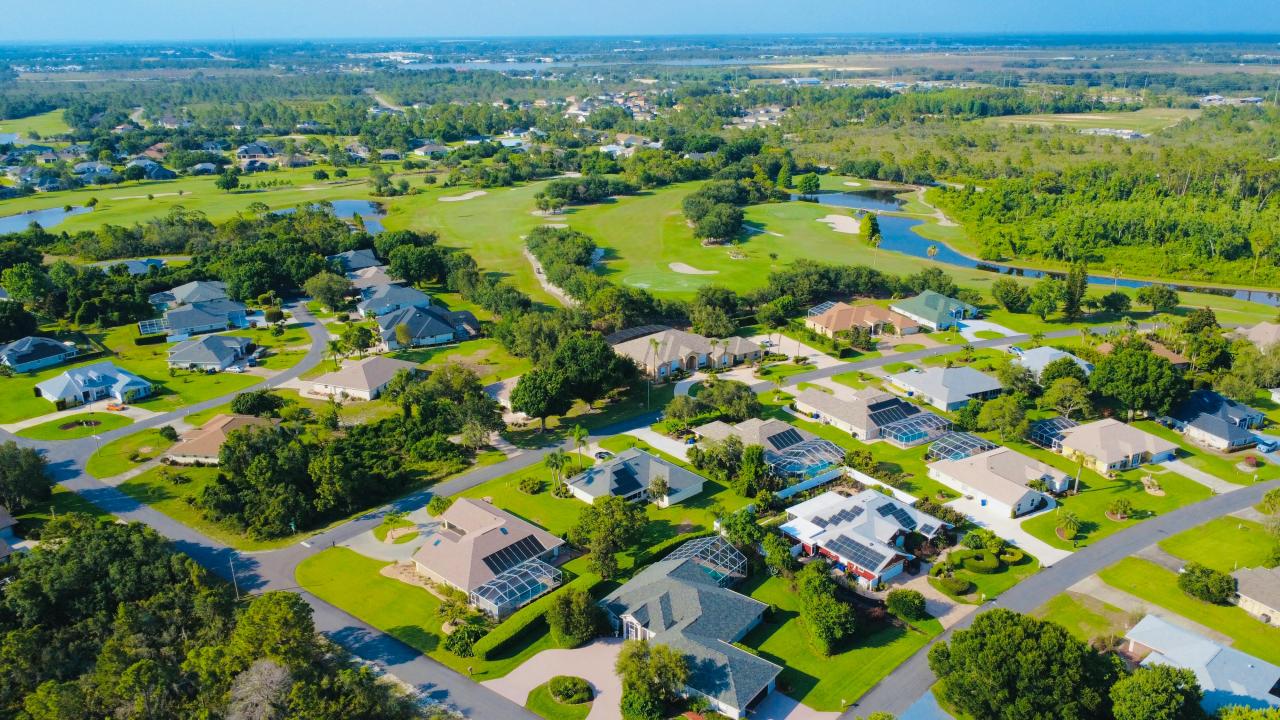
The first step in building a profitable off-grid system is the implementation of a rigorous site analysis and sector planning protocol. This process involves mapping the external energies that interact with your land, such as solar radiation, wind patterns, and water runoff.
Effective design ensures that every structure and planting is placed to minimize labor and maximize energy capture. A well-designed landscape reduces the need for external inputs like synthetic fertilizers or heavy machinery.
A. Topographical Mapping and Hydrological Surveys
B. Solar Access Analysis for Optimal Photosynthesis
C. Windbreak Design to Protect High-Value Assets
By establishing a strong structural foundation, you create a system that works with gravity and climate rather than against them. This strategic alignment is what separates a struggling farm from a high-yield regenerative enterprise.
Transforming Soil Health into Biological Capital
Soil is the primary bank account of any regenerative system, and its health is the most reliable indicator of future profitability. High-level permaculture practices focus on building complex microbial communities that act as a natural delivery system for plant nutrients.
Modern regenerative techniques prioritize minimal soil disturbance to protect delicate fungal networks. These mycorrhizal fungi are essential for sequestering carbon and increasing the water-holding capacity of your land.
A. Aerobic Compost Tea Application Protocols
B. Implementation of Deep-Rooted Cover Cropping
C. Integration of Biochar for Permanent Nutrient Sites
Maintaining high organic matter levels ensures that your crops remain productive even during periods of extreme weather. This biological resilience translates directly into financial security for the off-grid landowner.
Designing High-Margin Perennial Food Forests
Annual crops require constant labor and expense, but a well-managed perennial food forest offers a much higher long-term return on investment. By stacking functions vertically, you can produce several different harvests from the same square footage.
The canopy layer might consist of timber-grade hardwoods or high-yield nut trees, while the shrub layer provides berries and medicinal herbs. This multi-tiered approach mimics the efficiency of a natural forest while focusing on edible and marketable species.
A. Vertical Stacking of Functional Plant Niches
B. Polyculture Guilds for Integrated Pest Management
C. Strategic Planting of Dynamic Nutrient Accumulators
As these systems mature, their maintenance costs drop significantly while their productivity increases. This creates a passive income stream of high-quality organic produce that increases the overall valuation of the property.
Precision Water Management and Harvesting Systems
Water is the lifeblood of the off-grid estate, and managing it with precision is critical for maintaining high yields. Advanced water harvesting involves the use of earthworks to slow, spread, and sink rainwater directly into the aquifer.
Large-scale storage systems, such as ferrocement tanks or lined ponds, provide a crucial buffer against drought. By utilizing gravity-fed irrigation, you can eliminate the energy costs and mechanical failures associated with electric pumps.
A. Construction of Precision-Leveled Swales
B. Greywater Recycling for Subsurface Irrigation
C. High-Capacity Rainwater Collection Infrastructure
A hydrated landscape is a productive landscape that remains green while others turn brown. This constant moisture availability allows for the cultivation of high-value crops that would otherwise fail in an off-grid setting.
Renewable Energy Microgrids and Technological Integration
To maintain a professional standard of living while off-grid, you must invest in a robust renewable energy microgrid. This system should be designed with redundancy in mind, combining solar, wind, and potentially micro-hydro power.
Modern battery technology allows for the storage of vast amounts of energy, which can be used to power essential climate control and food processing equipment. Smart monitoring systems can optimize energy usage based on real-time weather forecasts and battery levels.
A. High-Efficiency Photovoltaic Arrays and Tracking Systems
B. Hybrid Energy Storage Solutions with Lithium Redundancy
C. Automated Load Management for Critical Infrastructure
A reliable power supply enables the use of advanced agricultural technologies, such as climate-controlled greenhouses and automated irrigation. These tools significantly increase the efficiency and profitability of the regenerative operation.
Integrating Managed Livestock for Ecosystem Services
Animals are the mobile “biological engines” of a permaculture system, providing essential services like weeding, fertilizing, and pest control. In a profitable model, livestock are managed through intensive rotational grazing to maximize soil impact.
This method prevents the degradation of pasture and ensures that animals are always consuming the highest quality forage. The resulting products, such as grass-fed beef or pasture-raised eggs, command a significant premium in health-conscious markets.
A. Managed Intensive Rotational Grazing (MIRG)
B. Integrated Poultry Systems for Orchard Sanitation
C. Silvopasture Techniques for Multi-Yield Landscapes
By harnessing the natural behaviors of livestock, you can eliminate the need for expensive fossil fuels and chemical inputs. The animals become partners in the regeneration of the land rather than a drain on its resources.
Monetizing the Surplus of a Regenerative Estate
The final stage of a profitable off-grid venture is the strategic monetization of the system’s various yields. Beyond raw produce, high-end estates can generate income through value-added products like artisanal oils, tinctures, and dried herbs.
There is also a growing market for specialized education and consulting services based on your successful implementation. The expertise gained in building a high-yield system is a valuable asset that can be sold to other aspiring landowners.
A. Propagation of Rare and Heritage Nursery Stock
B. Development of Premium Value-Added Goods
C. Professional Consultation and Design Workshops
Diversifying your income streams ensures that the estate remains financially viable regardless of market fluctuations. A regenerative system is designed to produce a surplus, and capturing that surplus is the key to long-term wealth.
Scaling the Permaculture Enterprise for Global Impact
Once a single site is optimized, the principles of regenerative design can be scaled up to larger landholdings. This scaling increases the potential for significant carbon sequestration and large-scale habitat restoration.
Large-scale permaculture projects can attract institutional investment from firms looking to offset their environmental impact. This brings a new level of financial sophistication to the world of regenerative living.
A. Cooperative Land Management for Regional Scaling
B. Participation in Certified Carbon Credit Markets
C. Implementation of Broadacre Keyline Design
By thinking big, the regenerative landowner can transition from a simple homestead to a regional leader in sustainable production. The impact of these systems goes far beyond the property lines, influencing the health of the entire watershed.
Future-Proofing Assets Through Genetic Diversity
In an era of shifting climates, biodiversity is the ultimate insurance policy for an off-grid investor. By maintaining a wide range of genetic varieties, you protect your estate against localized crop failures and new pests.
Preserving heirloom seeds and rare livestock breeds not only protects the ecosystem but also creates a unique market niche. Customers are increasingly willing to pay more for unique, flavorful, and resilient varieties that cannot be found in traditional stores.
A. Preservation of Climate-Resilient Heirloom Genetics
B. Wildlife Habitat Integration for Natural Balance
C. Implementation of Diverse Agroforestry Buffers
A diverse landscape is a stable landscape that can weather any storm. This stability is the cornerstone of a sophisticated off-grid financial strategy.
The Role of Community and Social Capital
No off-grid estate is truly an island; long-term success requires the building of social capital within the local community. Engaging with neighbors for trade, labor sharing, and knowledge exchange creates a safety net that money cannot buy.
A strong local network can also provide a dedicated customer base for your high-value regenerative products. By fostering these relationships, you ensure the longevity and security of your investment for decades to come.
A. Development of Local Trade and Barter Networks
B. Collaborative Resource and Equipment Sharing
C. Hosting Educational Events for Community Resilience
Social capital is a key component of a truly regenerative life. It provides the human element that makes a technical system a thriving home and a successful business.
Conclusion

Sustainable living is the ultimate investment in your own future and the health of the planet. Every design choice you make should focus on the long-term regeneration of your natural resources. Financial independence is a natural byproduct of a system that works in harmony with biological laws. True profitability comes from the compounding growth of a healthy and diverse ecosystem.
You are not just a landowner but a steward of a complex and living biological asset. The transition to an off-grid lifestyle requires a balance of strategic planning and practical action. Abundance is the natural state of the earth when it is managed with intelligence and care. Your estate will become a beacon of resilience in an increasingly uncertain global economy. Focus on building soil and harvesting water as the foundation of all your future success. The legacy of a regenerative life is measured in the thriving landscapes you leave behind.

