


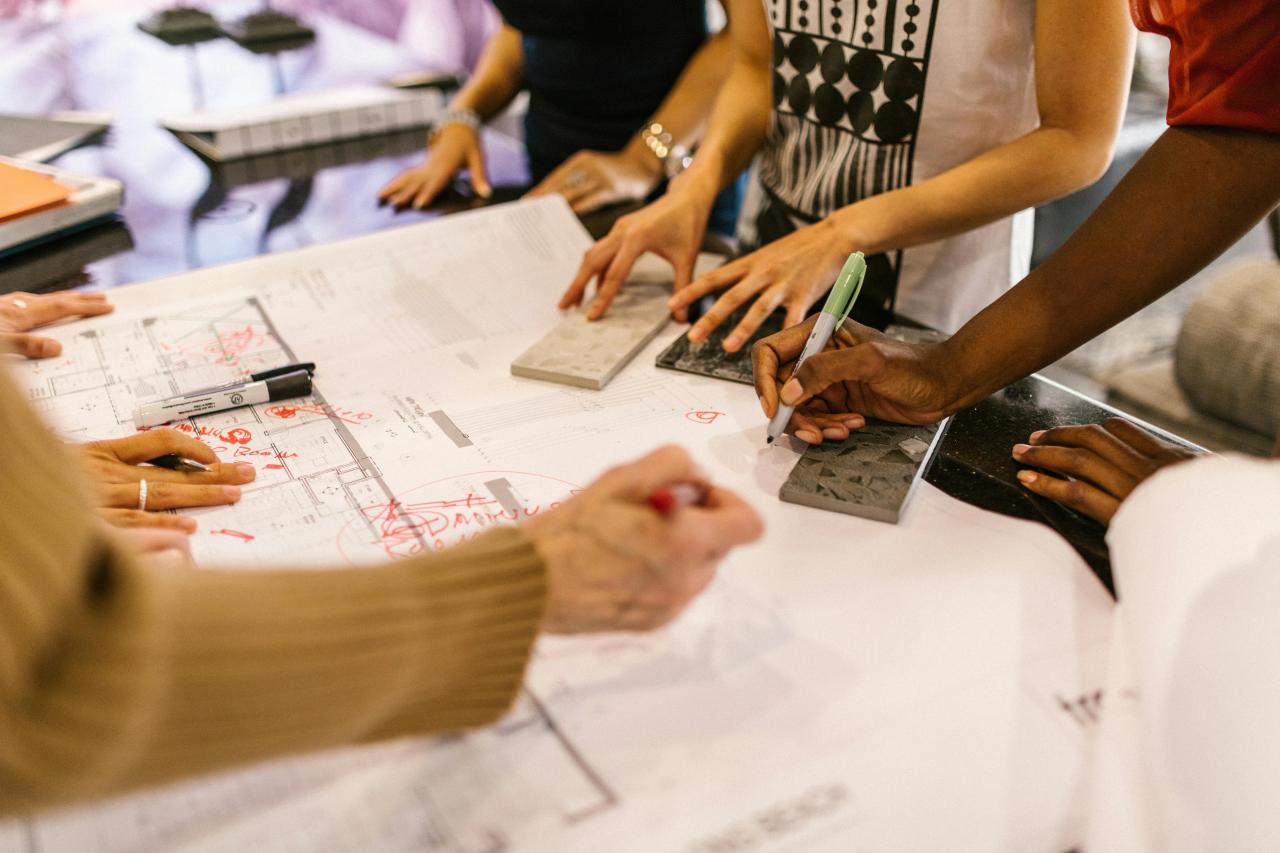
The emergence of digital twin technology has fundamentally revolutionized the architectural and interior design industries, moving beyond static three-dimensional renderings toward a dynamic, data-driven simulation of the entire residential ecosystem.
A digital twin is essentially a virtual mirror of a physical asset, but in the context of a high-performance smart home, it acts as a living laboratory where every structural choice, material selection, and technological integration can be stress-tested before a single dollar is spent on physical construction or renovation.
This shift toward “predictive design” is driven by a global demand for precision, where homeowners and institutional developers require absolute certainty regarding the functional efficiency and aesthetic harmony of their environments. By integrating real-time sensor data, spatial computing, and advanced physics engines, a digital twin allows designers to visualize how natural light will interact with specific textures throughout the seasons, how air currents will move across different furniture layouts, and even how autonomous robotic agents will navigate the space.
For the modern professional, this represents a definitive departure from traditional blueprints, offering a risk-managed approach to high-value real estate investments where potential flaws can be identified and neutralized in the virtual world. Furthermore, the integration of digital twins into the home-buying process allows for a level of customization that was previously technically impossible, enabling residents to interact with a “digital ghost” of their future sanctuary to ensure it perfectly aligns with their cognitive and ergonomic needs.
We are witnessing the birth of a unified spatial intelligence where the boundary between the virtual and the physical is blurred, creating a more responsive, sustainable, and intelligent habitat. As computational power continues to expand and the cost of laser-scanning technology declines, the deployment of a digital twin has become a non-negotiable standard for anyone seeking to build a resilient and sophisticated residence.
Ultimately, the goal of this virtual architecture is to foster a state of total domestic harmony, ensuring that every cubic inch of the home is optimized for the highest possible human impact and long-term asset appreciation.
The Mechanical Foundation of Virtual Twin Technology
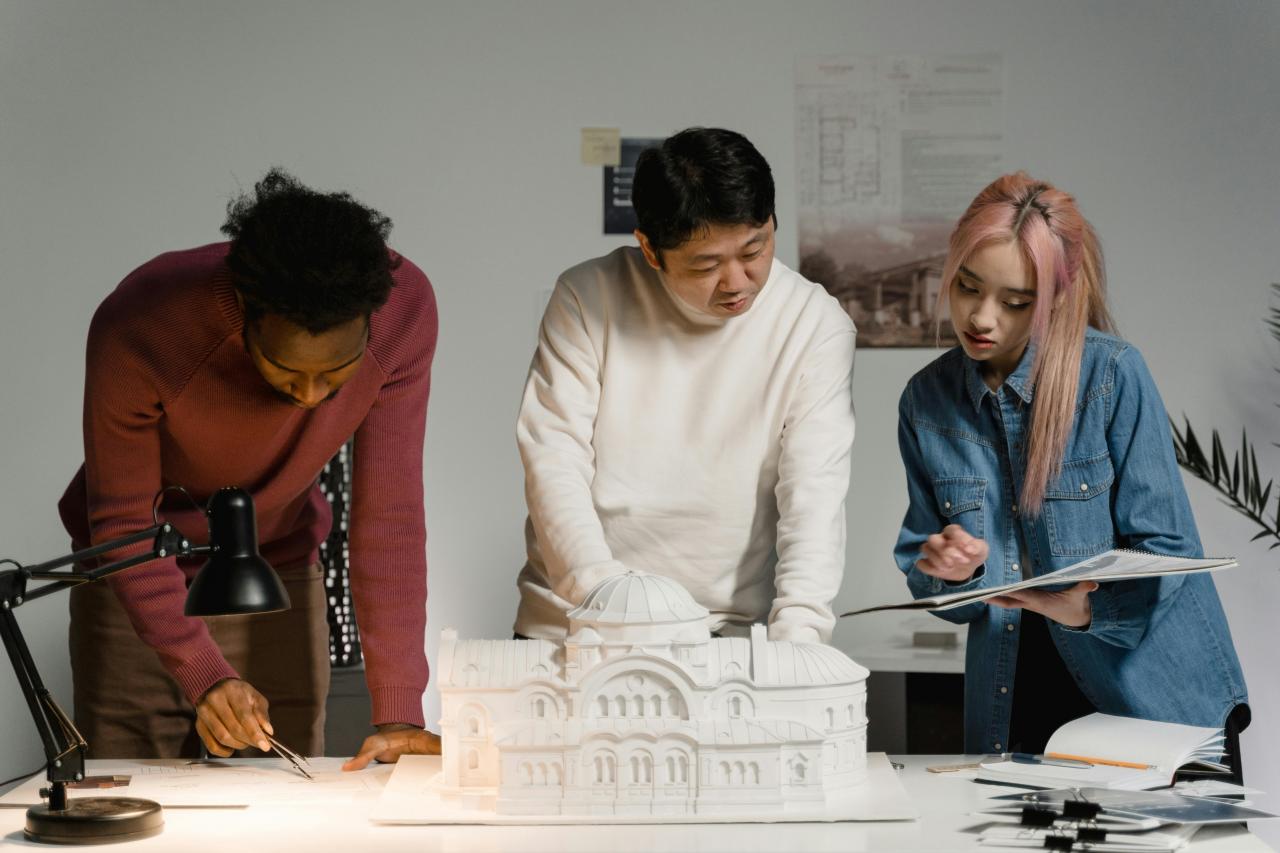
The creation of a functional digital twin requires a sophisticated stack of hardware and software designed to capture the physical reality of a space. This process begins with high-precision laser scanning and photogrammetry to build the geometric core of the virtual model.
A. High-Resolution LiDAR Spatial Mapping
B. Real-Time Telemetry and Sensor Integration
C. Physics-Based Rendering and Light Simulation
D. Federated Data Storage for Structural Logs
E. Interoperable Building Information Modeling Rails
By utilizing these core technologies, designers can create a replica that behaves exactly like the physical world. This infrastructure provides the necessary playground for testing complex automation scenarios without the risk of physical failure.
Enhancing Material Selection and Aesthetic Precision
Choosing materials for a luxury home is a high-stakes decision that involves analyzing durability, texture, and visual impact. Digital twins allow for the virtual application of thousands of different materials in real-time to see how they age and react to lighting.
A. Photorealistic Texture Mapping and Shaders
B. Aging and Wear-and-Tear Predictive Modeling
C. Sustainable Material Lifecycle Assessment
D. Acoustic Response and Sound Absorption Testing
E. Global Sourcing and Procurement Integration
This level of detail ensures that the final physical result is a perfect match for the virtual vision. It eliminates the “buyer’s remorse” often associated with large-scale renovation projects by providing a 100% accurate preview.
Optimizing Energy and Environmental Efficiency
A primary benefit of a residential digital twin is its ability to simulate and optimize energy consumption. By modeling the thermal performance of windows, insulation, and HVAC systems, owners can significantly reduce their long-term operational costs.
A. Thermodynamic Airflow and Heat Map Simulation
B. Solar Gain and Shading Optimization Rails
C. Predictive Energy Load Balancing Protocols
D. Smart Grid Integration and Virtual Metering
E. Water Usage and Recycling Efficiency Models
These simulations allow for the design of a “net-zero” home that is both comfortable and environmentally responsible. The virtual twin continues to run in the background after moving in, constantly finding new ways to optimize resource usage.
Navigating Structural Integration for Smart Robotics
As homes become populated by autonomous agents, the physical layout must be optimized for machine movement. Digital twins allow designers to run “stress tests” on robotic paths to ensure that cleaning and service units can operate without human interference.
A. Autonomous Agent Mobility Pathfinding
B. Dynamic Obstacle Avoidance Simulation
C. Charging Station and Docking Logic Gates
D. Human-Machine Interaction Safety Zones
E. Automated Service Corridor Design Logic
Planning for robotics in the virtual phase prevents the need for costly structural changes later. It ensures that the home is a collaborative environment where technology supports, rather than hinders, daily life.
The Role of Immersive VR and AR Interfaces
Interacting with a digital twin is most effective when done through immersive virtual and augmented reality interfaces. This allows the homeowner to “walk through” their design and make adjustments to the furniture height or wall color using simple gestures.
A. High-Fidelity Head-Mounted Display Integration
B. Gesture-Based Spatial Manipulation Tools
C. Multi-User Collaborative Design Sessions
D. Real-Time Holographic Overlay for Renovation
E. Virtual Staging and Layout Experimentation
This immersive experience bridges the gap between technical blueprints and human intuition. It allows for a more emotional and personal connection to the design process, leading to higher satisfaction with the final product.
Managing Asset Value and Predictive Maintenance
A digital twin is not just a design tool; it is a long-term asset management platform. By tracking the installation dates and performance of every appliance and structural component, the twin provides a proactive maintenance schedule.
A. Automated Component Lifecycle Tracking
B. Real-Time Fault Detection and Alert Systems
C. Historical Maintenance and Warranty Logging
D. Predictive Failure Analysis for Critical Systems
E. Digital Vault for Structural and Legal Records
Having a complete digital record of the home’s health increases its resale value and provides peace of mind for the owner. It turns the home into a manageable digital asset that grows in value as the data matures.
Enhancing Privacy and Data Sovereignty in Design
With the amount of data captured by a digital twin, protecting the privacy of the resident is a critical concern. Professional design firms use localized encryption and decentralized storage to ensure that the “digital house” remains private.
A. Localized Edge Computing for Data Processing
B. End-to-End Encryption for Virtual Models
C. Granular Access Control for Contractors
D. Anonymized Data Sharing for Design Research
E. Secure Deletion and Archiving Protocols
Maintaining data sovereignty ensures that your private living patterns are never exposed to the public cloud. A secure digital twin is a prerequisite for a safe and modern institutional-grade residence.
Integrating Biophilic and Wellness Focused Design
Digital twins are increasingly being used to optimize the psychological and physiological impact of a home. By simulating the “biophilic” elements of a design, such as plant placement and natural water features, the twin can enhance the resident’s well-being.
A. Circadian Rhythm Lighting Optimization
B. Virtual Green Wall Growth Simulation
C. Interior Humidity and Air Quality Modeling
D. Biophilic Visual Connection Assessments
E. Soundscape Design for Stress Reduction
This focus on wellness ensures that the home is not just a shelter, but a proactive tool for health and longevity. It aligns the physical environment with the biological needs of the human body.
The Future of Generative AI in Spatial Design
We are moving toward a future where generative algorithms can suggest the best floor plan or material palette based on the resident’s goals. The digital twin acts as the testing ground for these AI-generated design concepts.
A. Algorithmic Spatial Layout Generation
B. Automated Material Palette Coordination
C. Performance-Driven Design Iterations
D. User Preference Pattern Recognition
E. Cross-Platform Design Style Transfer
This partnership between human creativity and machine intelligence allows for the discovery of innovative design solutions that were previously unimaginable. It pushes the boundaries of what is possible in modern residential architecture.
Scaling Virtual Twins for Large Scale Developments
For real estate developers, digital twins allow for the simultaneous management of thousands of units within a single master-planned community. This allows for massive efficiencies in procurement, maintenance, and community planning.
A. Fleet Management for Residential Units
B. Community-Wide Resource Optimization
C. Standardized Digital Building Standards
D. Remote Site Inspection and Quality Control
E. Virtual Showroom and Sales Gallery Integration
Scaling these technologies reduces the risk for institutional investors and ensures a higher quality of life for the entire community. It is the definitive model for the smart cities of the future.
Conclusion

The evolution of residential architecture is now intrinsically linked to the maturity of digital twin systems. Traditional blueprints are no longer sufficient to meet the demands of a modern digital professional. Investing in a virtual mirror of your property is a strategic move for long-term asset protection. Precision in material selection and lighting simulation ensures a perfect physical result every time. Energy efficiency is maximized through complex thermodynamic modeling in the virtual world.
Designing for robotics ensures that your home is ready for the next generation of automation. Immersive interfaces allow for a deeper emotional connection between the resident and the design. Predictive maintenance turns the home into a self-monitoring and high-performance asset. Data sovereignty and privacy are the foundation of any professional digital twin implementation.
Wellness-focused design uses virtual simulations to improve the physiological health of residents. Generative intelligence provides a new frontier for creative and functional spatial innovation. Scaling these models allows for the efficient management of entire global real estate portfolios. The future of home design is a seamless blend of physical reality and virtual intelligence. Ultimately, the goal is to create a sanctuary that is as smart and resilient as the people who live within it.

